Views: 0 Author: Site Editor Publish Time: 2026-07-14 Origin: Site

High-throughput facilities face compounding costs when relying on static racking. Dead aisles, excessive forklift travel, and constant restocking interruptions act as a hidden tax on your daily operations. Fast-moving, low-SKU inventory quickly outgrows traditional selective racking setups. This mismatch creates severe operational bottlenecks, compromises First-In, First-Out (FIFO) compliance, and exhausts available floor space long before the building reaches its actual cubic capacity.
The pallet flow racking system offers an engineered solution to these specific floor-level challenges. By integrating a Gravity Roller Conveyor, you transform passive storage into an active, high-density environment. This automated-flow setup relies entirely on physics rather than motorized conveyance. It streamlines loading and retrieval operations while maximizing cubic space utilization, allowing warehouse managers to reclaim wasted aisle space and enforce strict inventory rotation without adding electrical overhead.
Throughput & Density: Gravity flow systems can double storage capacity by eliminating intermediate aisles while simultaneously speeding up loading and picking cycles.
Strict FIFO Enforcement: Physical system design guarantees First-In, First-Out inventory rotation, critical for perishable goods, date-sensitive materials, and strict quality control.
Operational Trade-offs: High storage density comes at the cost of immediate SKU selectivity; systems are best suited for environments with high volume per SKU organized in dedicated lanes.
Implementation Realities: Success relies heavily on precise engineering—specifically pitch angle calculations, braking mechanisms, and strict adherence to standardized pallet quality.
Table of Contents
Understanding the physics behind the system dictates proper application on the warehouse floor. Operators load pallets at the higher charge end of the rack structure. The pallets then glide at a controlled pace down to the discharge end. This movement relies entirely on gravity, driving efficiency without electrical power, wiring, or complex control panels. The system uses the weight of the product to do the heavy lifting.
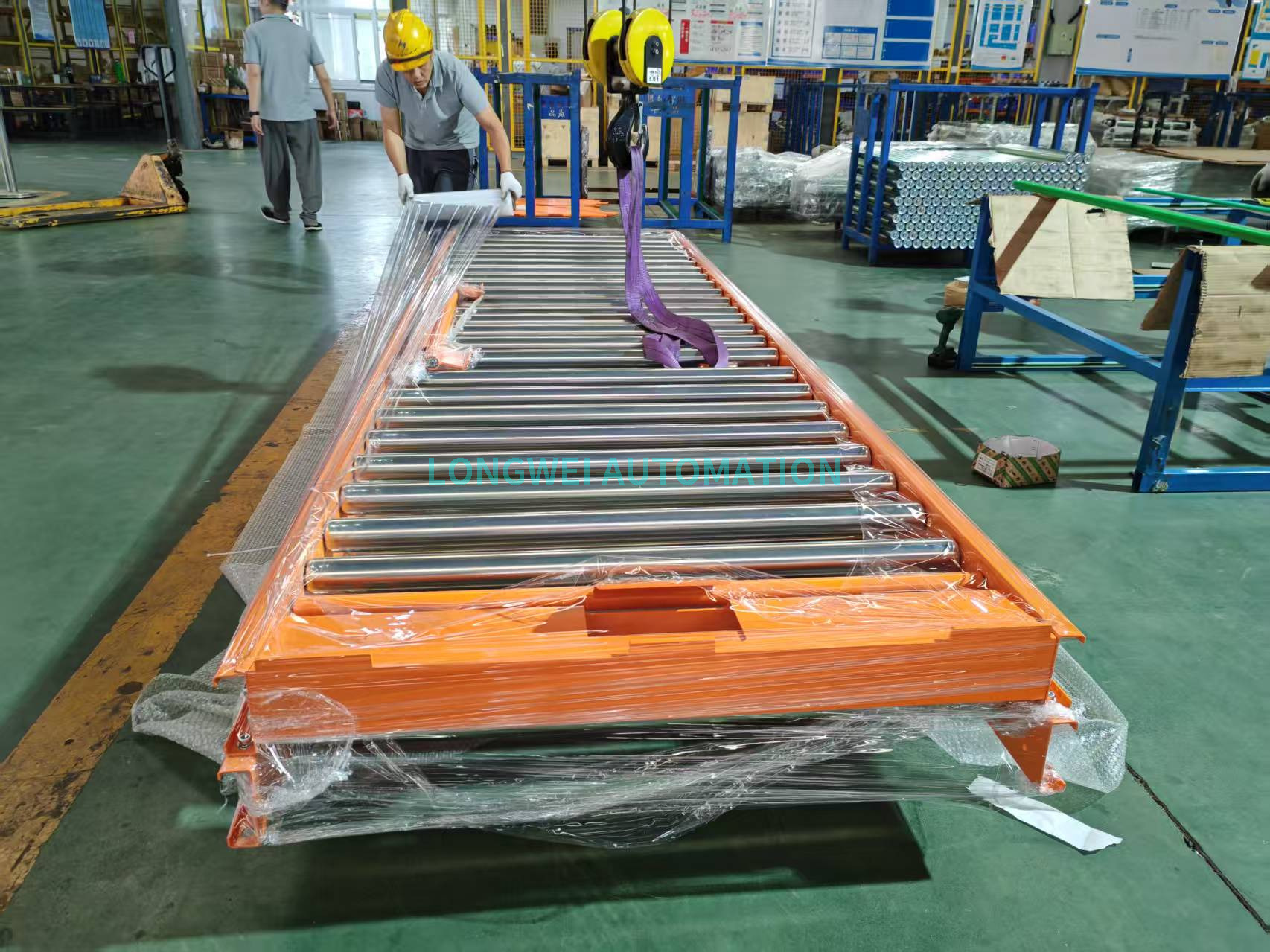
The core engine of this setup is the Gravity Roller Conveyor. It consists of a series of tracks set at a specific decline. When a forklift places a pallet on the charge end, the slight angle breaks the static friction. The pallet rolls forward until it meets the pallet ahead of it or reaches the pick face. This continuous forward motion ensures the pick face remains fully stocked at all times. You never have to drive a forklift into the rack structure to retrieve a buried load.
The structural integrity and performance of the lane depend on specific components engineered for heavy loads. You must match the hardware to your specific pallet type and load weight.
Component Type | Application Scenario | Performance Characteristics |
|---|---|---|
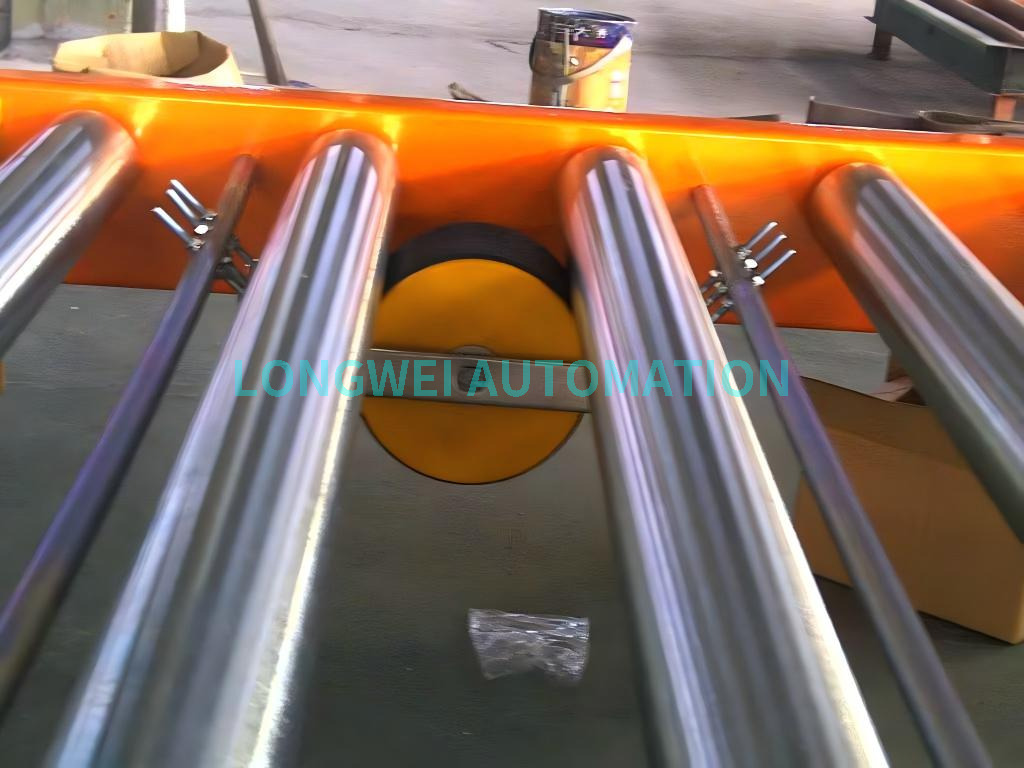
Full-Width Steel Rollers | Heavy loads, damaged pallets, inconsistent bottom boards | Provides maximum surface contact, prevents point-loading, handles rough wood well. |
Polycarbonate Skate Wheels | Light-duty loads, standardized plastic pallets, multi-wheel setups | Offers flexibility, lower initial cost, requires high-quality pallet bottoms to prevent jamming. |
Centrifugal Brakes | Deep lanes (5+ pallets), heavy inventory | Applies resistance based on rotational speed, prevents runaway pallets, protects product integrity. |
Pallet Separators | All deep-lane picking faces | Removes rear-pallet pressure from the front pallet, allows safe and frictionless forklift extraction. |
Speed controllers, or brakes, play a critical role in system safety. Centrifugal or magnetic brakes mount directly within the conveyor tracks to prevent runaway pallets. These mechanisms protect product integrity and ensure workplace safety by keeping descent speeds manageable. Additionally, physical pallet separators isolate the front pallet at the pick face. They hold back the accumulated weight of the pallets behind it. This allows safe, frictionless forklift extraction without the mast fighting thousands of pounds of back pressure.
Warehouses often require versatile picking solutions to handle different order profiles. You can combine heavy-duty pallet flow conveyors with light-duty carton flow tracks in multi-level pick modules. This hybrid approach supports both full-pallet and split-case picking within the same structural footprint. You might place pallet flow on the ground level for forklift access and install carton flow on a mezzanine level for manual order picking. This optimizes vertical space and consolidates the picking path for your workforce.
Not every warehouse benefits from flow racking. You must evaluate your specific inventory profile before committing capital to this infrastructure. Operations moving multiple pallets of the same SKU per week represent the primary candidates. High-volume, low-SKU inventory profiles align perfectly with the mechanics of gravity flow.
If you store twenty pallets of a single product, standard selective racking wastes enormous amounts of space. You need multiple aisles to access those pallets. A Gravity Roller Conveyor system allows you to store those twenty pallets in a single deep lane. You only need two aisles: one for loading and one for picking. This setup works exceptionally well for beverage distributors, food manufacturers, and consumer packaged goods facilities where product turns over rapidly in large batches.
Structural necessity dictates dedicating each flow lane to a single SKU. Mixing SKUs in a single lane leads to inventory burying and severe accessibility issues. If the product you need sits behind three pallets of a different product, you must remove and stage those front pallets just to make the pick. This defeats the purpose of the system. It also causes "honeycombing," where pallet slots remain underutilized because operators avoid loading different products into a partially full lane.
The physical separation of loading and picking aisles naturally enforces FIFO. This setup removes reliance on warehouse management system routing or operator discipline. Goods loaded first at the charge end are inherently the first ones presented at the discharge end. This ensures proper rotation for date-sensitive materials, pharmaceuticals, and perishable food items. You eliminate the risk of old stock expiring in the back of a rack.
Evaluating floor space is a crucial step in facility planning. Eliminating up to 70% of forklift aisles drastically increases storage density. This massive gain in usable space often justifies the initial capital expenditure of installing flow racking systems. When you run out of floor space, your options are expanding the building, leasing off-site storage, or increasing density. Flow racking provides the density needed to stay in your current footprint.
Deploying a gravity flow system changes the fundamental workflow of a facility. Deep-lane configurations, ranging from 2 to 20+ pallets deep, maximize storage density. This setup significantly increases cubic space utilization compared to standard selective rack. You stop storing air and start storing product.
Standard selective racking requires an aisle every two pallet depths. A deep-lane flow system can store ten or twenty pallets back-to-back with zero intermediate aisles. You convert aisle space directly into revenue-generating storage space. This density allows you to hold more safety stock, accommodate seasonal surges, and consolidate your footprint.
Separating replenishment traffic from picking traffic yields immediate efficiency gains. This division reduces aisle congestion and wait times. Forklifts operate independently in their designated zones. The replenishment team focuses solely on unloading trucks and feeding the charge end. The picking team focuses solely on pulling orders from the discharge end. They never cross paths, keeping the product moving continuously.
A Gravity Roller Conveyor system segregates loading and picking zones into dedicated, one-way aisles. This unidirectional traffic flow eliminates hazardous intersecting forklift paths. Operators do not have to back out of blind aisles or navigate around other equipment. Consequently, it drastically reduces the risk of aisle collisions, product damage, and pedestrian accidents, improving overall facility safety.
Consolidated storage reduces travel distance. When you pack more product into a smaller footprint, operators drive fewer miles per shift. Less driving translates directly to lower battery or fuel consumption. It also reduces maintenance requirements on tires, hydraulics, and drivetrains. You extend the lifespan of your forklift fleet and reduce your hourly operating costs.
Continuous presentation of the next pallet at the pick face eliminates wasted labor time. Operators no longer spend time driving into drive-in racks or manually rotating stock. The system automatically stages the next load for immediate retrieval. Your workforce spends more time moving product out the door and less time managing the storage medium.
Evaluating the structural viability of different implementations is necessary before breaking ground. Dropping conveyor tracks into existing selective racking offers a different value proposition than engineering a purpose-built flow structure from scratch.
If your existing selective racking meets strict structural load requirements, you might retrofit flow tracks into the bays. This approach saves money on uprights and beams. However, existing racks often lack the necessary depth for high-density flow. A purpose-built system guarantees the correct pitch, proper bracing, and optimal lane depth for your specific inventory profile. You must consult a structural engineer to verify the dynamic load capacities before attempting a retrofit.
A gravity flow retrofit maximizes the storage density of an existing footprint. This allows warehouses to scale capacity without facing the massive capital expense of facility expansion. Pouring new concrete, erecting steel, and permitting new construction takes years and millions of dollars. Upgrading your racking allows you to handle higher volumes within your current four walls.
The primary conceptual trade-off involves storage density versus SKU selectivity. Deep lanes maximize space but bury identical SKUs. You must calculate the optimal lane depth based on specific inventory turnover rates to maintain operational balance. If you only carry three pallets of a specific SKU, a ten-deep lane wastes seven pallet positions. Match the lane depth to your average batch size.
Compare the higher initial cost of gravity flow systems against long-term operational savings. Reduced labor hours, avoidance of space expansion, and decreased equipment wear offset the initial investment over time. While selective racking is cheap to buy, it is expensive to operate in a high-throughput environment. Flow racking requires a larger upfront check but lowers your daily operating burn rate.
Success requires strict attention to engineering details during installation. You cannot simply bolt tracks to beams and expect flawless operation. The physics must be precise.
Calculating the correct pitch angle is a critical risk factor. A gradient that is too steep causes pallets to accelerate dangerously, leading to product damage, brake failure, and structural impacts. A gradient that is too shallow causes pallets to stall mid-lane, requiring dangerous manual intervention to clear the jam. The pitch must account for pallet weight, bottom board condition, and the specific type of rollers used.
Gravity systems require high-quality, consistent pallets. Broken bottom boards, loose nails, or warped pallets will cause system jams. Poor pallet quality introduces significant physical safety hazards during operation. You must enforce strict pallet inspection protocols at the receiving dock. Reject damaged pallets or transfer the load to a captive, high-quality house pallet before loading it into the flow system.
Required maintenance for moving parts focuses on periodic inspections. You must regularly check rollers, bearings, and speed controllers. Proactive maintenance prevents lane downtime and ensures smooth product flow. Replace damaged rollers immediately to prevent pallets from hanging up. Clean debris from the tracks to maintain consistent rolling resistance.
Specific training is required for safe loading and unloading. Operators must learn to square the pallet to the conveyor line accurately. If a pallet goes in crooked, it will bind against the lane guides. Operators must also understand how to manage the pressure of the pallets behind the pick face during extraction. They must lift the front pallet slightly and tilt the mast back to clear the separator mechanism smoothly.
Square the forklift to the rack face before approaching the charge end.
Elevate the load to the correct height, ensuring clearance over the front beam.
Insert the pallet straight into the lane, allowing the bottom boards to make even contact with the rollers.
Withdraw the forks smoothly, allowing the pallet to roll forward under its own weight.
A successful pallet flow racking system depends on accurate lane design, consistent pallet quality, and components that match the actual load and operating environment. Working with an experienced manufacturer can help ensure that roller tracks, braking devices, pallet separators, and structural configurations are properly specified before installation.
Longwei provides conveyor rollers and customized material handling solutions for warehouse and industrial applications. With professional manufacturing and engineering capabilities, the company supports customers in developing reliable gravity flow systems tailored to their storage and pallet-handling requirements.
Initiate a comprehensive facility audit to map your current space utilization and identify dead aisles.
Conduct a detailed time-study on forklift travel to quantify the labor hours wasted on long transit routes and stock rotation.
Consult with a structural racking engineer to test pallet flow tracks using your actual warehouse inventory and pallet types.
Establish a strict pallet inspection protocol at your receiving docks to ensure only high-quality pallets enter the flow system.
A: Lane depth can exceed 20 pallets deep, depending on the facility layout, inventory turnover, and engineering specifications. Deep lanes maximize density but require strict single-SKU allocation to prevent burying different products.
A: Yes, retrofitting is possible if the existing selective racking meets structural load requirements. An engineer must verify the rack's capacity to support the dynamic forces of moving pallets before installation.
A: Speed controllers use centrifugal or magnetic mechanisms to apply resistance as the pallet rolls over them. This prevents pallets from accelerating uncontrollably down the lane, protecting the product and the rack structure.
A: The pitch angle typically ranges from 3/8 inch to 1/2 inch per foot. The exact gradient depends on pallet weight, bottom board condition, and the specific roller type used in the lane.
A: The physical design separates loading and picking. Pallets loaded first at the charge end roll down to the discharge end, ensuring they are the first ones presented at the pick face for retrieval.