Automobile Industry Automation Solutions
High-precision, high-speed, and flexible conveyor systems to achieve mass production lines in the automotive industry.
Improving production efficiency and takt time
Achieving flexible mixed-line production
Integrating automated processes
Optimizing workshop spatial layout
Automobile Production Challenges in Modern Automation
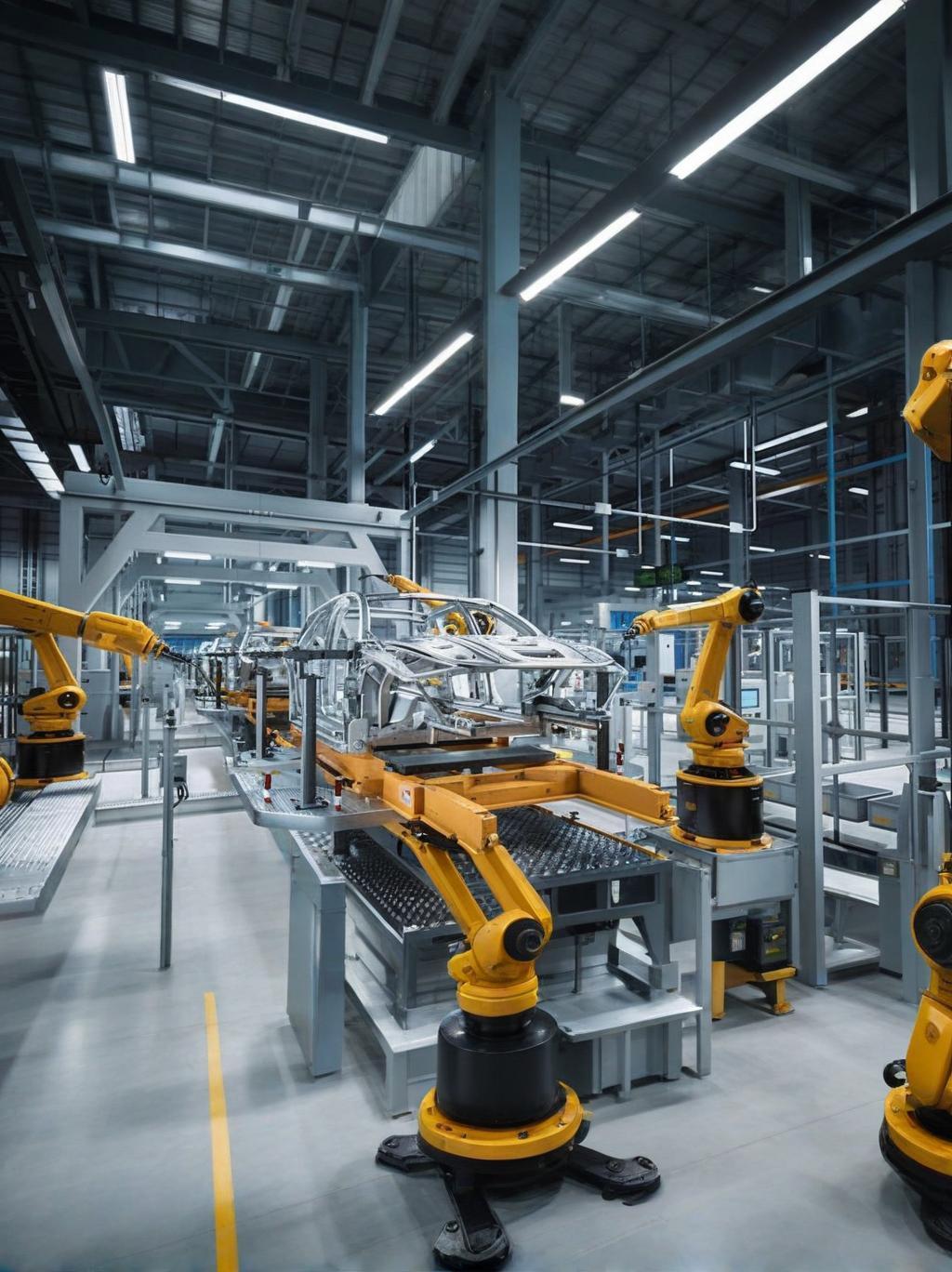
In achieving automated production within the automotive industry, the primary technical challenges for conveying equipment center on three core areas. First, systems must possess the flexibility to accommodate highly customized production models, allowing for rapid adaptation to varying vehicle specifications. Second, they are required to maintain absolute precision and operational stability under the demanding conditions of a high-volume manufacturing environment. Finally, conveying equipment must be capable of seamless digital collaboration, integrating with broader factory systems to enable real-time data exchange and intelligent, autonomous decision-making throughout the production process.
Flexible Compatibility and Reconfigurability
To accommodate mixed-model production lines, conveying equipment must possess the capability for rapid adjustment of tooling fixtures and path planning, enabling adaptation to different wheelbases, track widths, and body sizes without interrupting production.
High-Precision Positioning and Synchronous Control
In body welding and final assembly stages, the conveying line must achieve millimeter-level or even micron-level repeat positioning accuracy and maintain precise synchronization of production rhythms with industrial robots during high-speed movement to ensure assembly quality.
Intelligent Dispatching and Error-Proof Traceability
Equipment needs to integrate IoT sensing technologies to monitor the status of pallets and workpieces in real-time. Through a central control system, it should enable dynamic obstacle avoidance, path optimization, and automatically record production data to achieve full lifecycle traceability.
Human-Robot Collaboration and Safety Redundancy
At workstations involving manual intervention, such as on final assembly lines, the conveying system requires highly sensitive safety perception capabilities. It must ensure physical safety during human-robot collaboration and possess redundant design features for rapid recovery in case of system failures.
Heavy-Load Energy Efficiency and Maintenance Convenience
Facing the transportation of heavy components like new energy vehicle battery packs, the equipment needs to handle increased loads while reducing energy consumption. Through modular design and predictive maintenance functions, it should minimize unplanned downtime.
Integrated Conveyor Solution for Flexible and Safe Production
In the process of achieving automated production in the automotive industry, addressing the core technical challenges of conveyance equipment requires the integrated application of advanced sensing technologies, intelligent control algorithms, modular design, predictive maintenance strategies, and safety integration solutions. This ensures that the conveyance system can meet the demands for high precision, high efficiency, high reliability, and high flexibility, while supporting flexible manufacturing and safe production.
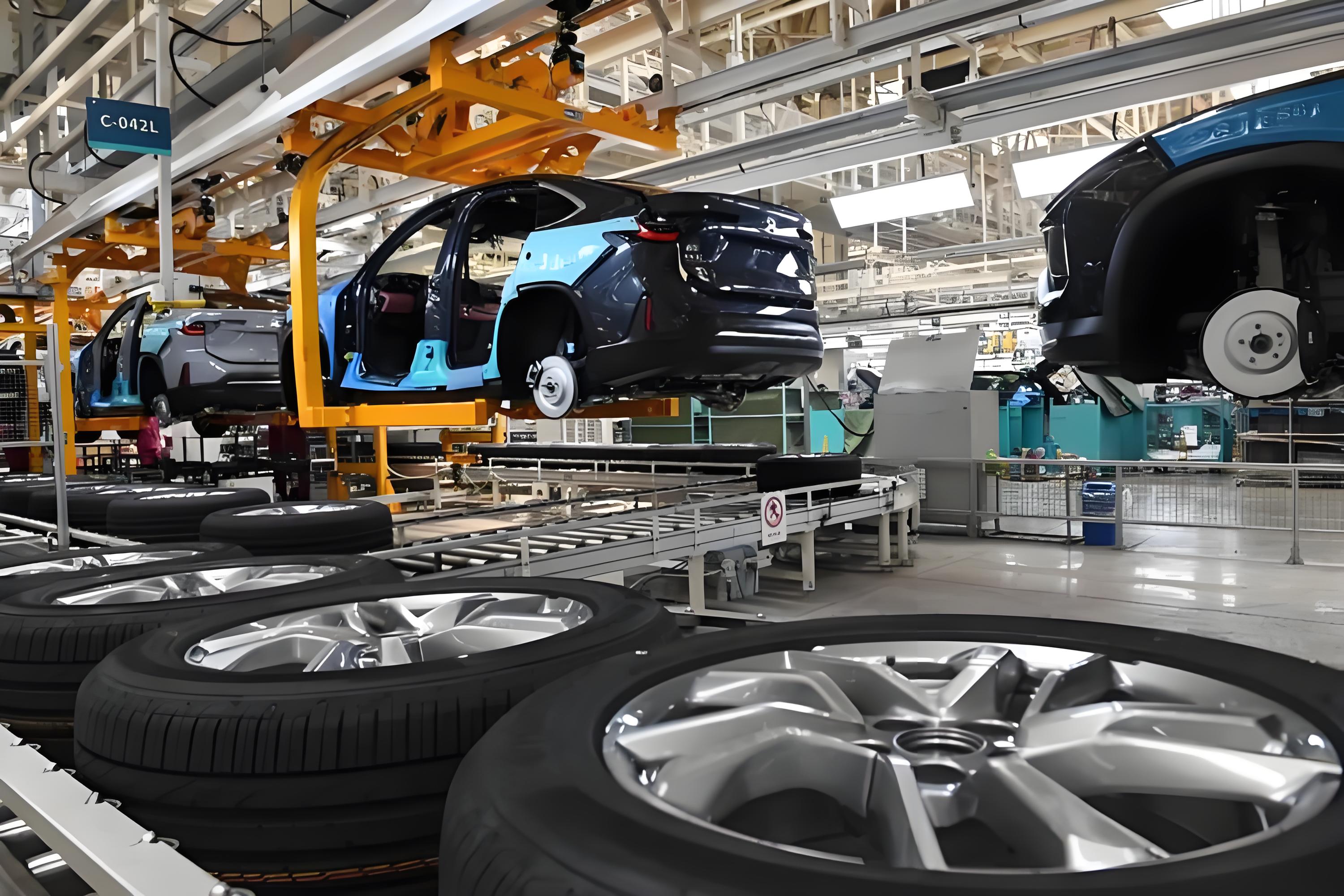
High-precision Positioning
Utilizing laser navigation and visual recognition technologies to achieve millimeter-level positioning of conveyance equipment in complex environments, ensuring that components and vehicle bodies accurately reach the workstations.
Dynamic Path Planning
Leveraging real-time data and intelligent algorithms to optimize conveyance paths, reducing empty runs and congestion, thereby improving overall production efficiency and material flow speed.
Predictive Maintenance
Monitoring equipment status through IoT sensors to provide early warnings of potential failures, reducing the risk of unexpected downtime and ensuring production continuity.
Modular Design
Adopting reconfigurable conveyance units to quickly adapt to changes in different vehicle models and production rhythms, enhancing system flexibility and scalability.
Safe Collaboration
Integrating safety sensors and protocols to ensure safe interaction between conveyance equipment and personnel or other automated devices, preventing collisions and accidents.

Material Handling & Scrap Removal
Conveyors are mainly used to transport large coils or blanks to the presses, and to move the stamped parts (such as car doors, hood inner/outer panels) and the generated scrap away.
Operational Value
Ensured high-Speed production
Reduced safety risks
Cleanliness & continuity

BIW Sub-Assembly Transfer
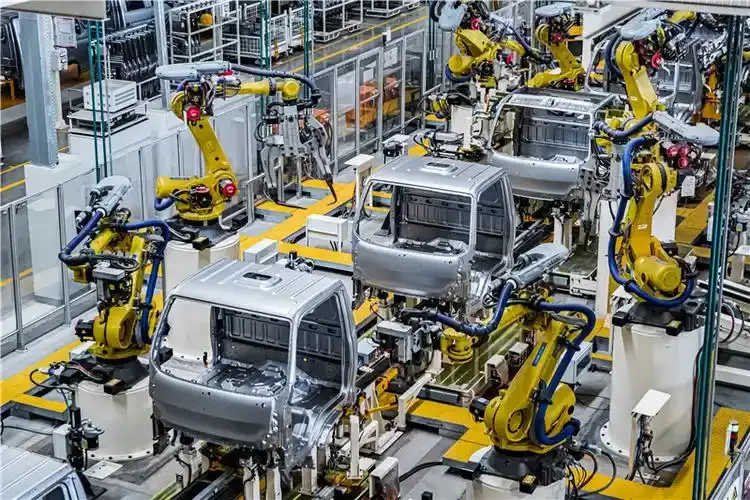
The welding shop welds stamped parts into a Body-in-White (BIW). Involves multiple workstations, and conveyors are primarily used to transfer components between welding cells.
Operational Value
High-precision positioning
Flexible production
Space utilization

Pretreatment/Electrocoating & Oven Conveyance
The painting shop highly demands cleanliness and process control, involves chemical immersion and high temperature baking. Conveyors guide the car body through process tanks and drying ovens.
Operational Value
Process capability
Extreme environment resistance
Cleanliness assurance

Trim, Chassis, and Final Assembly
Final assembly is the last stage of car manufacturing and features the longest and most complex conveyance lines. Conveyors need to carry the car body and facilitate ergonomic assembly.
Operational Value
Ergonomics
Synchronous Assembly
Modularity & Scalability
Core Systems & Conveyor Modules Behind the Solution
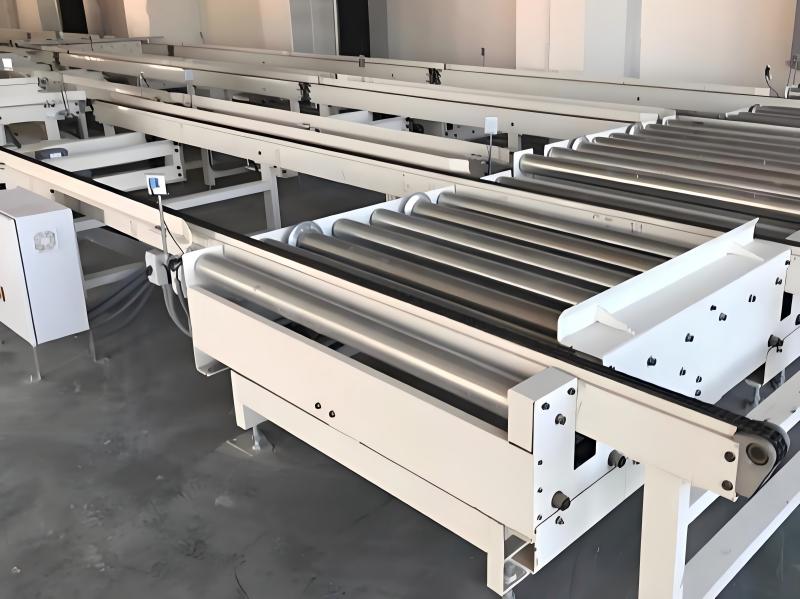
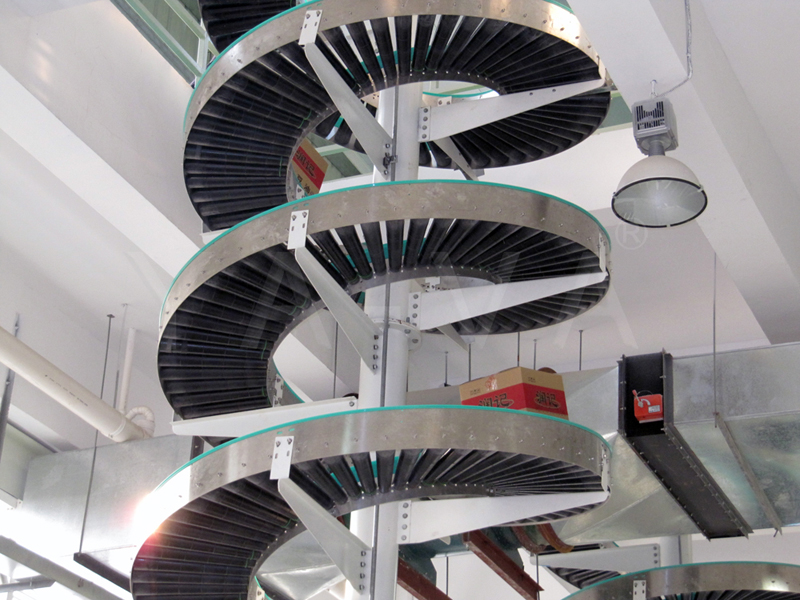
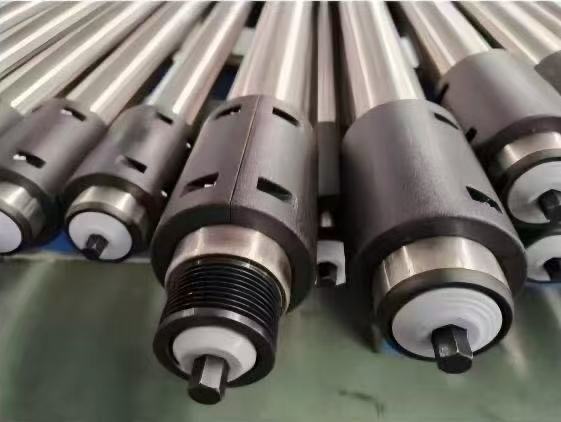
Roller Conveyors
Widely used in body transportation, parts assembly, and material handling. It features a simple structure, high reliability, and easy realization of accumulation function.
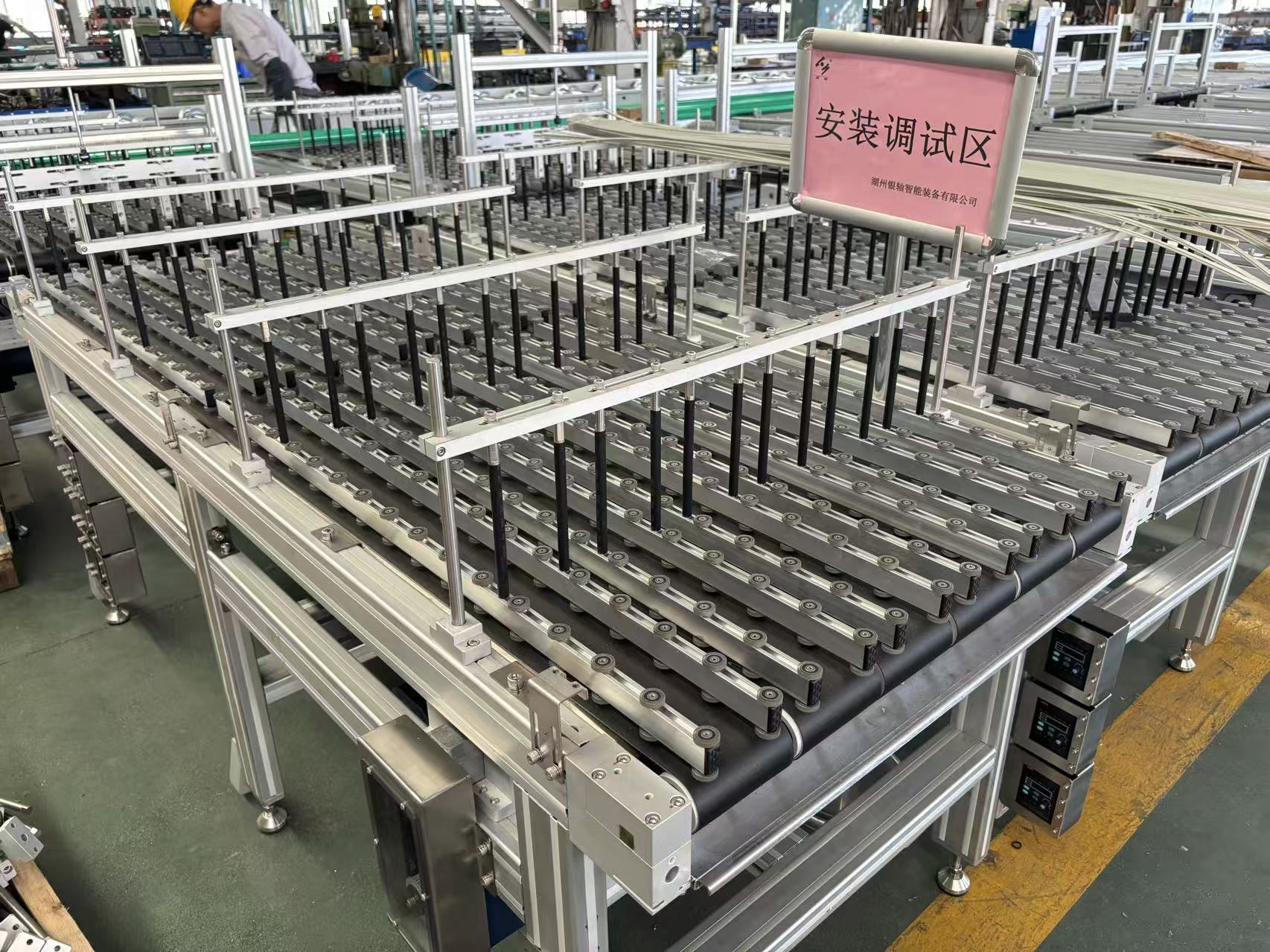
Belt Conveyor
Mainly used for the transportation of small parts and component packaging, or for conveying items such as seats and tires in assembly plants.
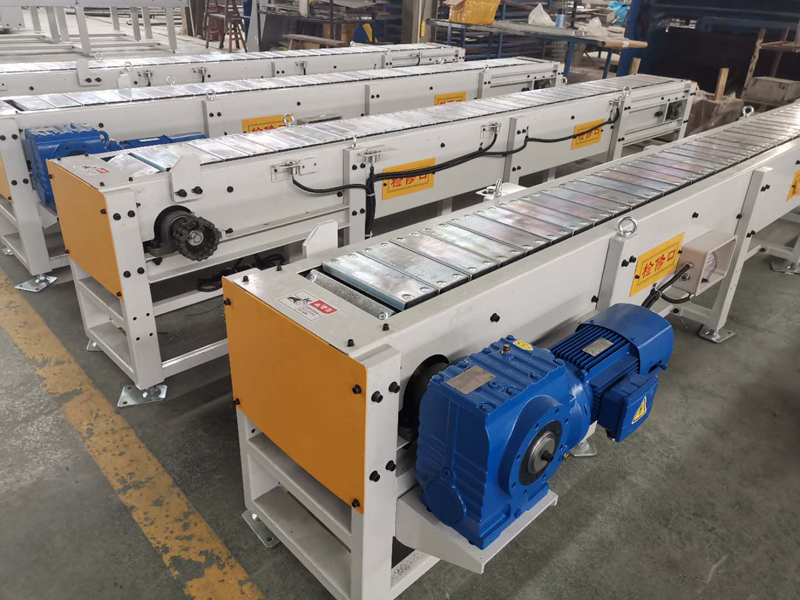
(Slat) Chain Conveyor
Commonly used for heavy-load handling, such as the transportation of large components like frames, engines, and gearboxes, as well as in processes like painting and final assembly.
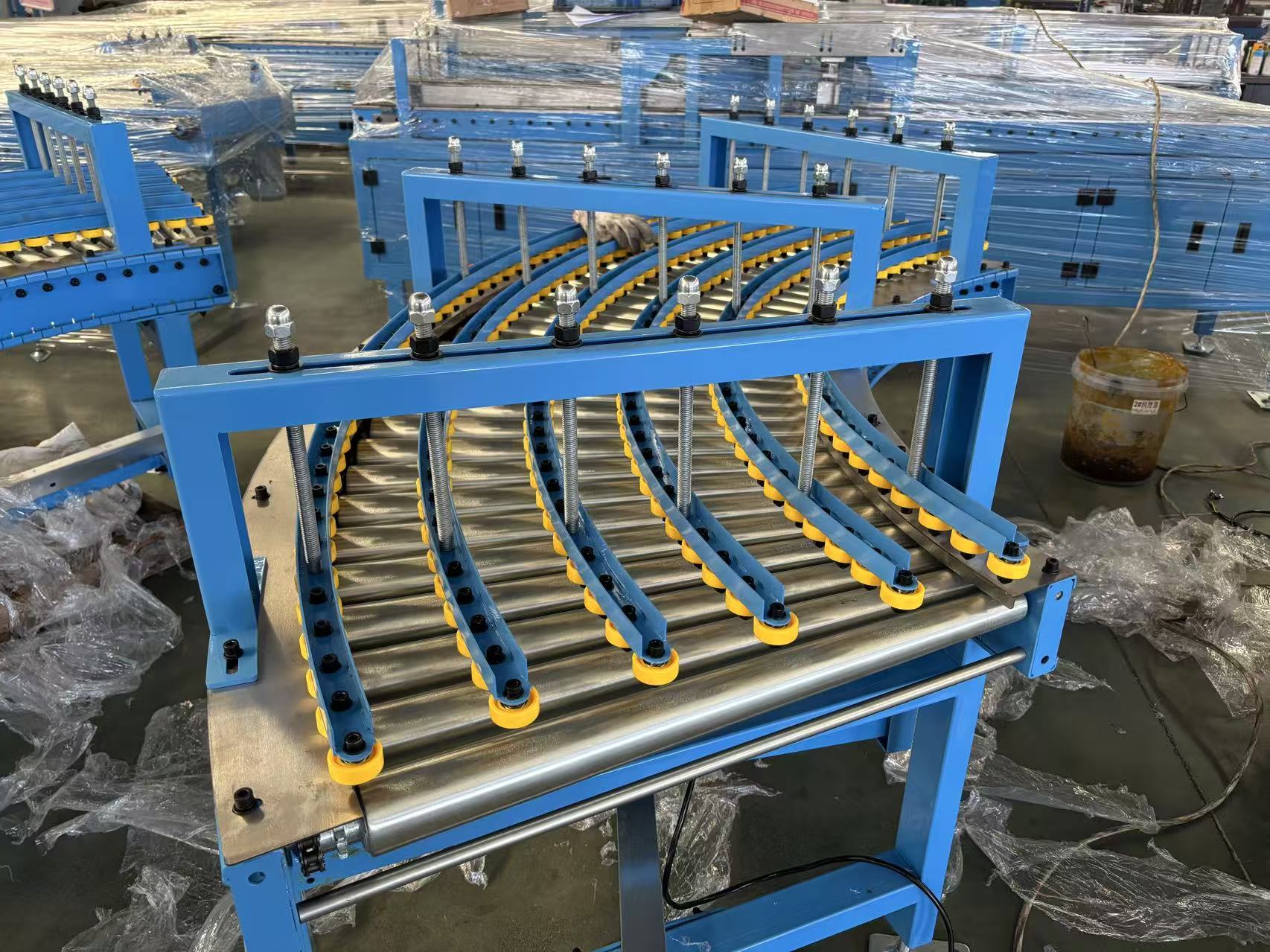
Turntables, Transfers & Lifters
Used to change the direction of conveyance or transfer workpieces between different heights or different conveyor lines.
Application Scenarios
Integrated conveyor systems are mainly used in stamping, welding, painting, and final assembly shops, working together to create an efficient production system in modern automated automobile manufacturing.
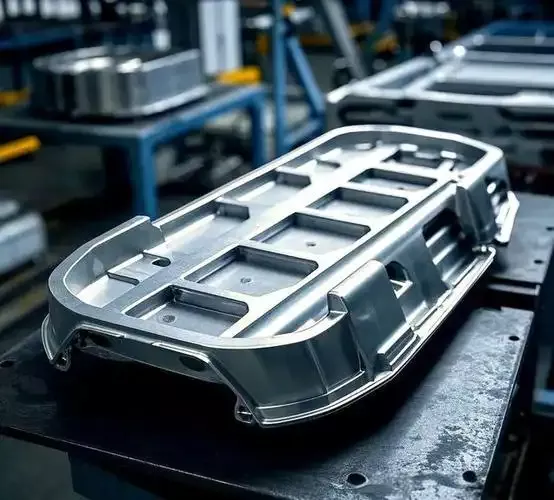
Stamping Shop
Transport coils or blanks to the presses, and to move the stamped parts and the generated scrap away.
Welding Shop
Conveyors are primarily used to transfer components between welding cells.
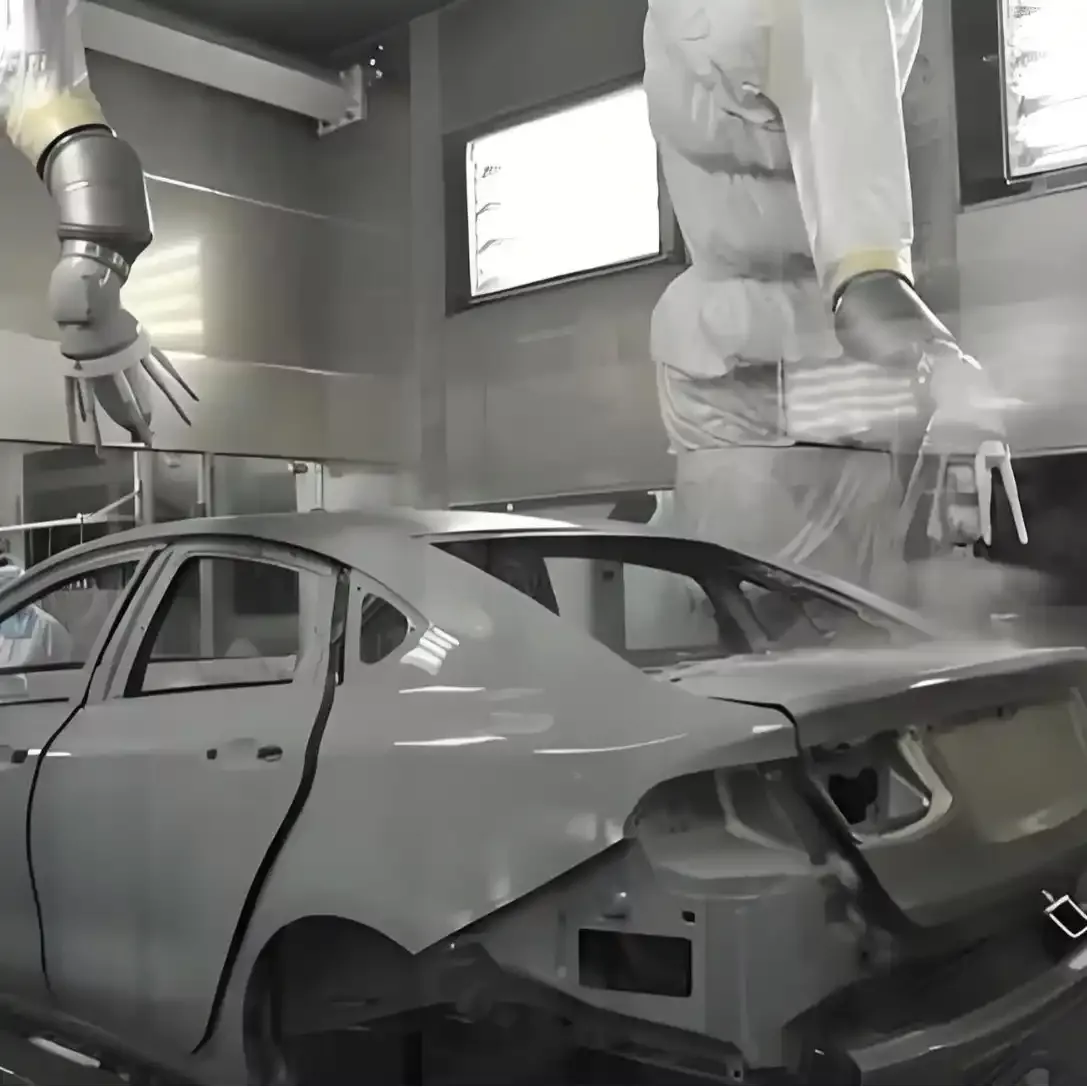
Painting Shop
Conveyors guide the car body through process tanks and drying ovens.
Assembly Shop
Conveyors need to carry the car body and facilitate ergonomic assembly.
Reliable Flow Solutions, Optimized Storage