Views: 0 Author: Site Editor Publish Time: 2026-11-23 Origin: Site

Choosing the right drive belt is essential for improving the performance and reliability of roller conveyor systems. The O-Belt vs Poly-V Belt comparison is particularly important when selecting a drive solution for different load capacities, operating speeds, and accumulation requirements. An O-Belt Driven Roller Conveyor uses round polyurethane belts to transfer power between rollers, making it suitable for lightweight material handling and certain accumulation applications. Poly-V belts provide greater torque transmission through their multiple-rib design, while timing belts use positive tooth engagement for applications requiring precise synchronization and positioning. Understanding the differences in power transmission, load capacity, maintenance requirements, and operating conditions helps conveyor manufacturers and system integrators select the right drive configuration for their applications.
O-Belts are cost-effective and ideal for light-duty, zero-pressure accumulation (ZPA) zones, offering inherent shock absorption, but suffer from stretching and lower torque limits over time.
Poly-V Belts offer superior torque transfer and high-RPM speed capabilities for medium-to-heavy loads, bridging the gap between simple friction drives and positive engagement systems.
Timing Belts provide positive, no-slip engagement essential for precision indexing, synchronization, and heavy-duty positioning, though they lack shock absorption and carry higher initial costs.
The primary decision driver in the O-belt vs Poly-V belt debate comes down to the required torque-to-roller ratio, high-speed demands, and the acceptable frequency of maintenance interventions.
Table of Contents
Defining the maximum unit weight dictates the baseline conveyor design. You must map out required acceleration profiles and determine whether the line runs continuously or uses stop-and-go indexing. Heavy pallets require entirely different power transmission mechanics than lightweight polybags. The rise of Motorized Drive Rollers (MDR) decentralized power, placing small 24V motors directly inside the conveyor rollers. The belt you choose dictates how efficiently that 24V motor distributes its limited torque to the adjacent idler rollers. If you pair a high-torque motor with a low-friction belt, you waste mechanical potential.
Friction drives rely entirely on belt tension. Systems like O-belts and Poly-V belts grip the roller surface through friction. If the load exceeds the friction limit, the belt slips. Timing belts use toothed mechanical locking. They physically mesh with pulleys to transfer power, creating a positive drive where slippage is mechanically impossible. Timing belts use toothed engagement with matching pulleys to provide positive power transmission. This design minimizes slip under properly specified operating conditions, although excessive loads, incorrect tension, or misalignment can still cause tooth jumping or drive failure.
Sudden jams and load spikes place additional stress on the conveyor drive system. Friction-based belts may slip when the transmitted load exceeds their available grip, which can reduce the immediate force transferred to downstream components but may also generate heat and accelerate belt wear. Timing belts maintain positive engagement under normal operating loads, but excessive shock forces can place greater stress on the belt teeth, pulleys, shafts, and motor components. The drive system should therefore be specified according to the expected starting loads, stopping conditions, and potential jam scenarios.
Temperature, humidity, particulates, and chemical exposure dictate belt material viability. Polyurethane degrades quickly under certain chemical exposures. Neoprene offers different durability profiles in harsh facility environments. Washdown environments in food processing require highly specific belt compounds to prevent bacterial growth and material breakdown. Ignoring the ambient environment guarantees premature belt failure.
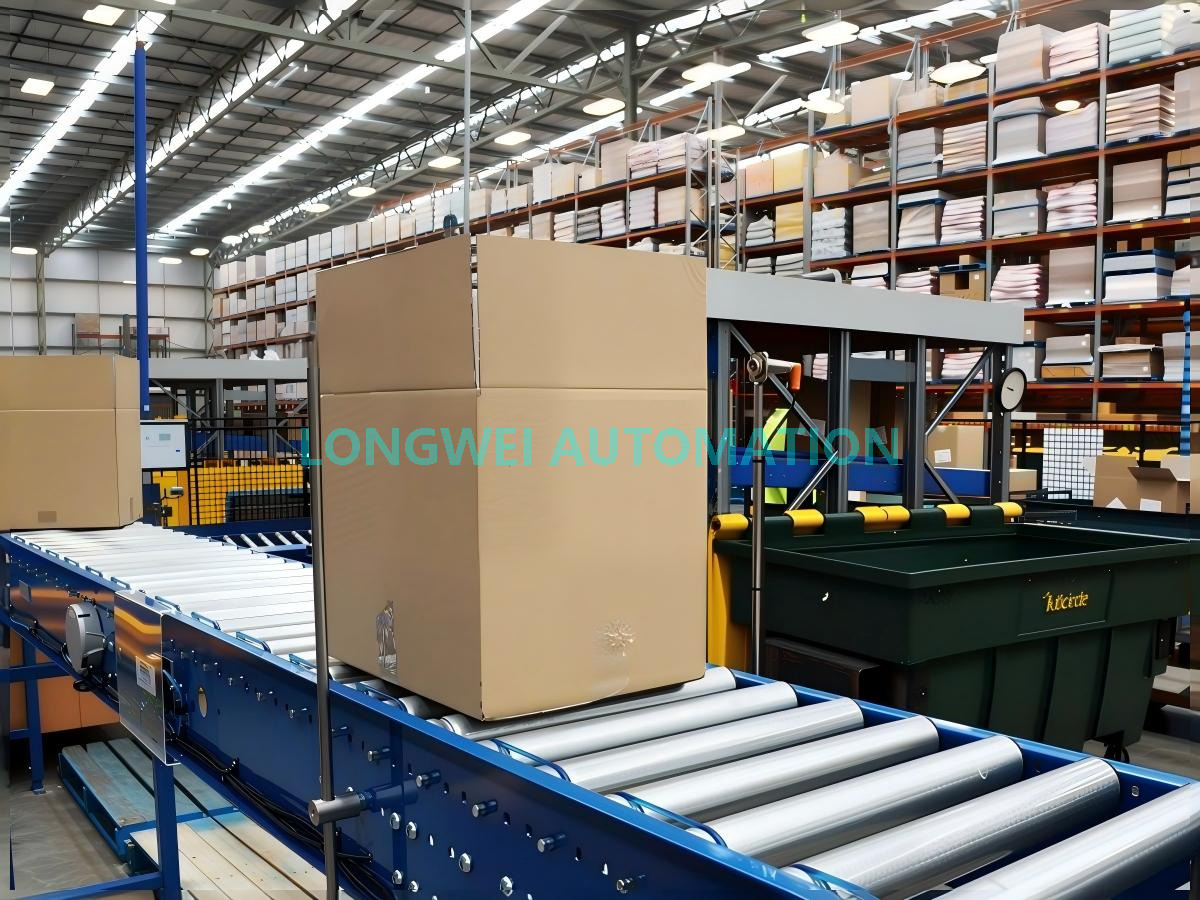
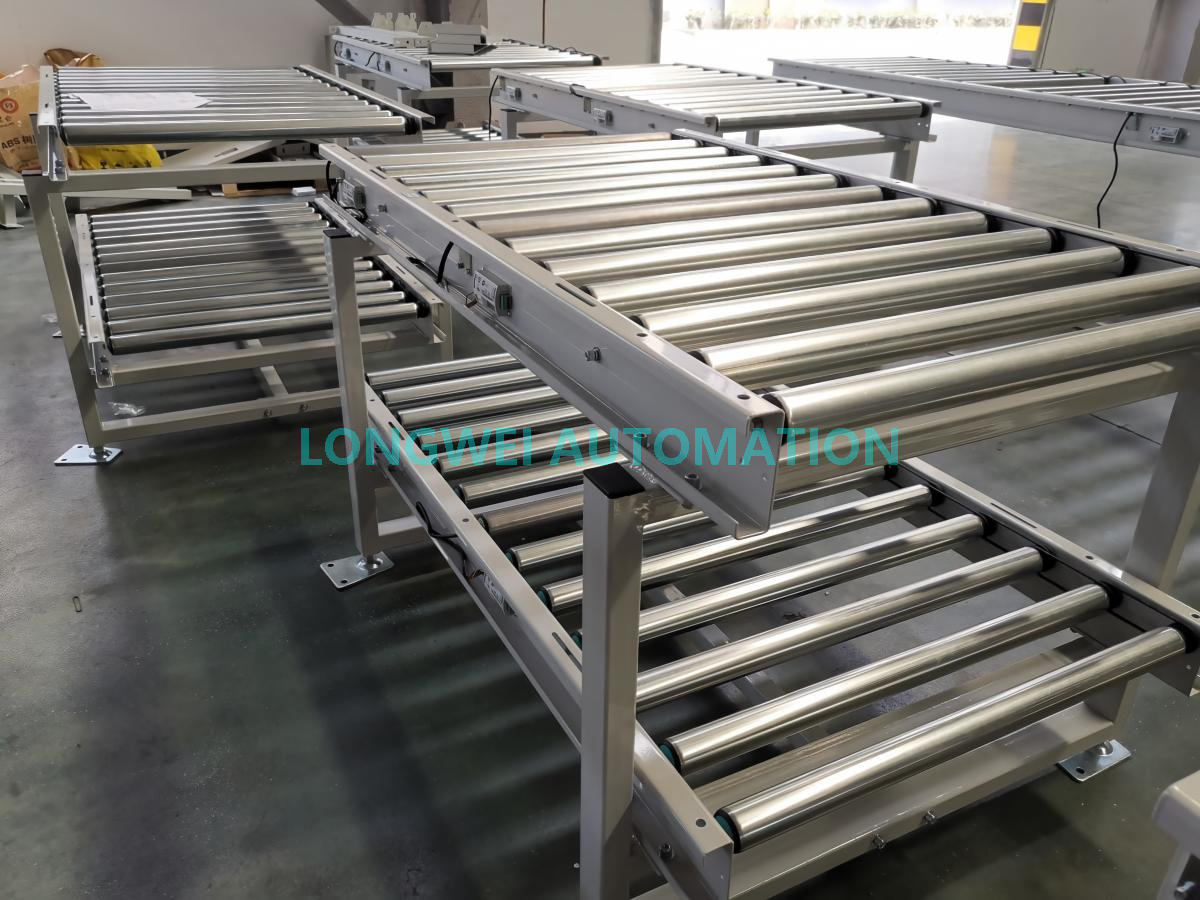
Round polyurethane belts connect motorized drive rollers to idler rollers in a daisy-chain or line-shaft configuration. This architecture defines the standard O-Belt Driven Roller Conveyor. The simplicity of this design makes it a staple in lightweight material handling. Manufacturers typically extrude these belts from polyurethane with durometer ratings ranging from 85A to 95A, balancing flexibility with grip.
Installing an O-belt seems deceptively simple. Technicians often stretch them by hand over the rollers. Over-stretching during installation creates micro-tears in the polyurethane structure. These invisible tears propagate under load, leading to premature snapping. Utilizing proper installation hooks prevents this hidden damage and maintains the structural integrity of the weld joint.
Operational advantages:
Controlled belt slippage can support mechanical accumulation in suitable conveyor configurations. However, this should not be confused with Zero Pressure Accumulation (ZPA), which requires independent zone control and appropriate sensing logic to maintain spacing between products.
Built-in shock absorption protects motorized rollers. The ability to slip saves bearings from catastrophic damage during sudden jams or heavy load drops.
Low initial component cost keeps project budgets lean. Installation requires no specialized tools, allowing maintenance teams to perform rapid repairs.
High flexibility makes them highly suitable for curved conveyor sections. The round profile easily navigates the varying radii of tapered rollers.
Performance limitations:
Highly susceptible to stretching over time. Loss of tension leads to immediate efficiency drops and sluggish roller response.
Load capacity depends on belt diameter, belt tension, roller configuration, motor torque, and the number of driven rollers within each zone. Maximum load limits should be confirmed against the conveyor manufacturer's specifications.
Higher energy loss occurs due to constant friction and belt deformation. The belt constantly bends and stretches, converting motor energy into heat rather than motion.
Require frequent visual inspections. Operators must check for fraying or thinning sections to prevent mid-shift snapping.
These systems utilize ribbed V-belts, typically featuring a PJ profile with multiple longitudinal ribs. The ribs seat into precision-machined grooved rollers. This design drastically increases surface area contact compared to a smooth round belt. Modern Poly-V belts often incorporate elastic tension cords, allowing them to maintain consistent grip without requiring manual tensioning adjustments over their lifespan.
The PJ profile specifies the exact pitch and depth of the ribs. Selecting the correct profile ensures the belt seats perfectly into the roller grooves. Mismatched profiles result in rapid heat buildup and catastrophic belt shredding. Engineers must verify that the roller groove machining matches the belt manufacturer's exact specifications to prevent premature wear.
Operational advantages:
Significantly higher torque transfer occurs due to the wedging action of the ribs. As tension increases, the ribs pull tighter into the grooves, multiplying the grip force.
Poly-V belts support high-speed operation through their multiple-rib friction drive design. Their actual speed capability depends on belt profile, pulley diameter, operating tension, and manufacturer ratings. Timing belts can also operate at high speeds, but their suitability depends on tooth engagement, belt pitch, pulley design, and the required synchronization accuracy.
A single Poly-V belt efficiently transfers power across multiple rollers. This multi-roller efficiency minimizes tension loss across the zone, acting much like a serpentine belt in an automotive engine.
Deliver a longer lifespan and reduced maintenance intervals. Better tension retention keeps the system running smoothly for years without intervention.
Performance limitations:
Precise roller-to-roller alignment is mandatory. Misalignment causes rib jumping, uneven wear, and annoying squeaking noises.
Higher initial costs apply to both the specialized belts and the grooved rollers. The machining required for the roller grooves adds to the manufacturing expense.
Less forgiving in accumulation scenarios. You need dedicated electronic controls and zero-pressure logic to prevent wear. Mechanical slip will quickly burn through the ribs.
Installation requires specific tensioning tools. Mechanics cannot simply stretch them over the rollers by hand without risking damage to the internal tension cords.
Toothed belts engage with matching toothed pulleys, providing a strict mechanical lock for power transmission. The teeth are typically molded from durable polymers and reinforced with steel or Kevlar cords to prevent any longitudinal stretch. This rigid construction ensures that the belt maintains its exact pitch length under heavy loads.
Timing belts rely on specific tooth pitches, such as 5mm or 8mm intervals. A smaller pitch allows for smoother operation around small-diameter pulleys, ideal for compact conveyor frames. A larger pitch handles massive torque loads but requires larger pulleys to prevent the belt from binding. Selecting the correct High Torque Drive (HTD) profile prevents tooth shear during aggressive acceleration.
Operational advantages:
Zero slippage ensures exact synchronization. This positive drive mechanism guarantees precise positioning for robotics and automated scanners.
High load capacity handles aggressive acceleration and deceleration profiles easily. The mechanical lock prevents the belt from slipping when the motor applies sudden torque.
Timing belts require the specified installation tension rather than the high friction-based tension sometimes needed by other drive systems. Correct tension helps maintain tooth engagement while controlling the radial loads placed on pulleys and roller bearings.
Positive engagement helps maintain synchronized roller movement in incline and decline applications. However, preventing load rollback during emergency stops may also require suitable braking devices, load-holding mechanisms, or other system-level safety features.
Performance limitations:
Lack of shock absorption is a major drawback. Sudden jams transfer the full impact force directly to the motor. This can cause immediate bearing failure or shear the motor shaft.
RPM limitations exist. Extreme high-speed applications suffer from excessive noise and harsh tooth engagement dynamics. The air trapped between the belt teeth and pulley grooves creates a whining sound at high velocities.
Carry the highest initial cost and installation complexity. Pulleys must be perfectly aligned to prevent the belt from riding up the flanges.
Highly intolerant of debris. Trapped particulates cause tooth shear or complete belt derailment. A single stray bolt can destroy a timing belt instantly.
Poly-V belts generally provide greater torque transmission capacity than conventional O-belts when properly matched to the roller grooves and drive configuration. This makes them suitable for applications requiring higher power transfer across multiple rollers. However, the actual torque capacity depends on belt profile, belt width, operating tension, roller diameter, and motor output. O-belts remain a practical option for lighter loads and applications where flexible friction-based transmission is sufficient.
Poly-V belts require higher design tension ratios to maintain their wedging action inside the grooves. Consequently, you need more robust roller bearings. These bearings must handle the increased radial load without overheating. O-belts operate with lower tension and lighter bearing requirements, making the overall roller assembly cheaper. Bearing selection should be based on the calculated radial load, operating speed, expected service life, and the bearing manufacturer's specifications.
Maintenance cycles differ significantly. O-belts require frequent replacement. A maintenance technician can replace an O-belt in seconds. Poly-V belts last much longer but require precise tensioning during installation to prevent glazing. If a Poly-V belt glazes due to under-tensioning, it loses its friction coefficient permanently. You cannot repair a glazed belt; you must replace it entirely.
Energy consumption metrics favor ribbed designs. Poly-V systems demonstrate lower power losses across multi-roller zones. A single motorized roller drives more idlers efficiently. This reduces the total number of motors required for a long conveyor run, lowering electrical consumption. Default to O-belts for lightweight fulfillment lines, polybag sortation, and budget-conscious projects. Upgrade to Poly-V for pallet handling, heavy manufacturing, or high-speed sortation where downtime is unacceptable.
Feature | O-Belt | Poly-V Belt | Timing Belt |
|---|---|---|---|
Power Transmission | Friction (Low Torque) | Friction/Wedge (High Torque) | Positive Engagement (Max Torque) |
Shock Absorption | Excellent | Moderate | None |
Maintenance Frequency | High (Stretching) | Low | Low |
Installation Complexity | Very Low | Medium (Requires Tensioning) | High (Requires Alignment) |
Consider how far a single drive unit can push power. Scalability and zone length vary by belt type. Timing belts push power the furthest due to zero slip. Poly-V belts follow closely behind, maintaining excellent tension across multiple rollers. O-belts have the shortest effective zone length, usually maxing out at a few rollers before power drops off completely. Pushing an O-belt zone too far results in sluggish downstream rollers and erratic product spacing.
Balancing upfront capital expenditures against operational expenses is vital. Factor in the cost of rollers, belts, and controls. Weigh this against energy usage, replacement parts, and maintenance labor. A cheaper belt might require replacement ten times as often, driving up labor costs and causing disruptive line stoppages. You must calculate the labor hours spent swapping broken belts when evaluating the true cost of a friction drive system.
Corporate sustainability goals now mandate strict energy efficiency audits. Conveyor systems consume massive amounts of electricity. Upgrading from inefficient O-belts to high-efficiency Poly-V belts significantly reduces the amperage draw on the power supplies. This subtle mechanical upgrade translates into massive utility savings across a large facility. Lower amp draw also extends the lifespan of the 24V power supplies and motor control cards.
Evaluate decibel levels in your facility environments. Noise and ergonomics impact worker safety and comfort. OSHA regulations strictly monitor facility noise levels. Noise levels vary depending on belt profile, operating speed, tension, roller alignment, motor characteristics, and overall conveyor construction. Actual noise performance should be evaluated under the intended operating conditions rather than determined by belt type alone.
Assess the availability of spare parts. Standard O-belts are universally available and easy to source. Custom-length timing belts or specific Poly-V profiles might require longer lead times. Standardizing your facility on a specific drive type reduces the inventory of spare parts you need to keep on the shelf. Managing SKU proliferation in the maintenance crib saves money and prevents confusion during emergency repairs.
Tensioning failures destroy equipment rapidly. Over-tensioning O-belts destroys roller bearings and burns out small drive motors. Under-tensioning Poly-V belts causes rib glazing and power loss. When a belt glazes, the hardened surface slips continuously, generating heat and destroying the roller grooves.
Mitigation strategies:
Use standardized tensioning jigs during all installations.
Always specify manufacturer-approved belt lengths for your exact roller pitch.
Train maintenance staff to use sonic tension meters for ribbed belts to ensure exact specifications are met.
Even the best belt fails if installed incorrectly. Maintenance personnel must receive specific training on tensioning protocols. A technician accustomed to the forgiving nature of O-belts will likely ruin a Poly-V or timing belt installation by prying it over the roller with a screwdriver. Investing in specialized training and proper installation tools prevents ruined components.
Alignment drift causes severe tracking issues. Timing belts and Poly-V belts track poorly if conveyor frames are not perfectly square. A skewed frame forces the belt to rub against pulley flanges or jump out of roller grooves. This lateral friction shreds the edges of the belt within hours of operation.
Mitigation strategies:
Implement laser alignment during commissioning to verify frame squareness.
Install rigid cross-bracing to maintain frame geometry, especially in facilities subject to temperature fluctuations or forklift impacts.
Check roller parallelism routinely during preventative maintenance sweeps.
Environmental degradation ruins belt integrity. UV light and certain oils degrade standard polyurethane O-belts rapidly, causing them to turn brittle and snap. A brittle belt loses all elasticity and fails immediately under load.
Mitigation strategies:
Specify alternative compounds based on the facility environment.
Use EPDM or Kevlar-reinforced materials to resist harsh conditions better.
Deploy specialized food-grade belts in washdown areas to comply with sanitation standards.
There is no universal best belt for every facility. Selection is strictly dictated by load, speed, shock absorption needs, and positioning requirements. You must align the mechanical properties of the drive system with the physical realities of your product flow. Choose O-belts for light loads, curves, and budget-constrained accumulation. Their shock absorption is highly beneficial here. Choose Poly-V belts for high-speed, medium-to-heavy loads. They provide efficient torque transfer across multiple rollers. Choose timing belts when precision indexing or robotics integration is mandatory. Ensure the system is protected from sudden jams.
Next Steps:
Audit current conveyor downtime logs to identify root causes like belt stretching or tooth shear.
Consult an integration engineer to calculate exact torque requirements for your heaviest SKU.
Standardize tensioning tools across your maintenance department to prevent bearing failures.
Inspect your conveyor frames for squareness before executing any major belt retrofits.
A: Yes, but it requires a significant retrofit. You must replace the existing standard rollers with precision-grooved alternatives. The motorized drive rollers also need upgrading to handle the increased radial loads and tension ratios required by ribbed belts.
A: O-belts typically stretch or snap due to exceeding the zone's weight limits. Chemical exposure, UV light degradation, and improper initial sizing also cause premature failure. Ensure your loads stay under 50 lbs per zone and verify the belt compound matches your environment.
A: Yes, Poly-V belts work well for ZPA. However, they require motorized drive rollers equipped with built-in logic and photo-eye sensors. Unlike O-belts, they cannot mechanically slip safely. The control system must electronically stop the zone to prevent severe belt wear.
A: Poly-V belts drastically reduce energy loss across the conveyor zone. The wedging action of the ribs provides superior grip. This efficiency allows a single motorized roller to drive up to 9 to 11 idler rollers, compared to just 4 to 6 with standard O-belts.
A: Poly-V belts are the best choice for extreme high-speed applications. They maintain smooth, continuous contact with the roller grooves. Timing belts become limited by harsh tooth engagement dynamics and excessive noise at very high RPMs.
A: Timing belts are mandatory for applications requiring exact positioning. Vision inspection stations, robotic pick-and-place cells, and steep incline conveyors rely on them. The positive engagement prevents load rollback and ensures perfect synchronization without any slippage.
A: The service life of O-belts, Poly-V belts, and timing belts depends on operating hours, load conditions, belt tension, alignment, material compatibility, and maintenance practices. O-belts may require more frequent replacement in applications involving continuous friction or repeated accumulation. Poly-V and timing belts can provide longer service intervals when properly specified and installed, but actual replacement schedules should follow manufacturer recommendations and operating inspection results.