
Views: 0 Author: Site Editor Publish Time: 2026-03-19 Origin: Site
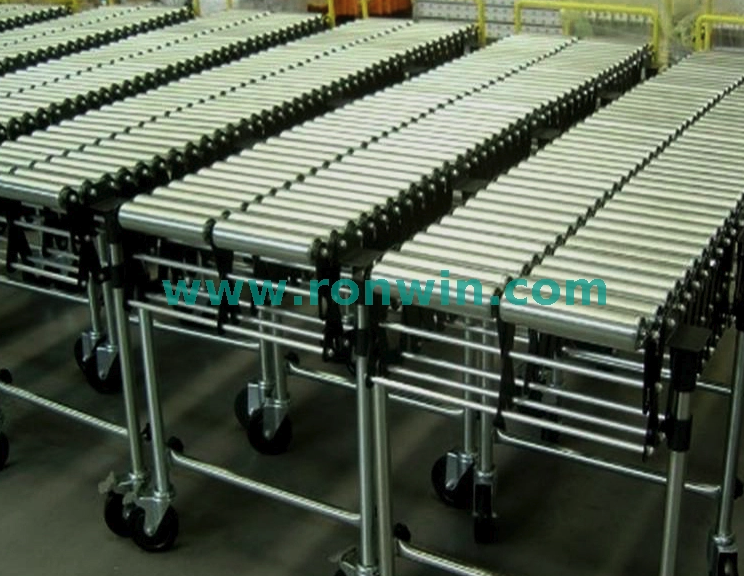
E-Commerce Trends: Shipping Transparency is changing how customers shop online. Buyers now expect clear updates on shipping costs, delivery times, and real-time tracking. Warehouses using telescopic belt conveyors and flexible expandable conveyors can move orders faster, reduce errors, and make shipping predictable. These solutions help businesses meet customer expectations, build trust, and stay competitive in today’s fast-paced e-commerce world.
Shipping transparency means being open and clear about every step of the delivery process. It helps customers understand what happens after they place an order, reducing uncertainty and building trust. Instead of guessing, they see clear information about costs, timelines, tracking, and returns.
Key elements include:
Shipping costs: Display full pricing upfront, not only at checkout.
Delivery timelines: Provide realistic delivery estimates rather than overly optimistic promises.
Tracking updates: Allow customers to follow packages in real time.
Return policies: Clearly explain rules, timelines, and possible fees.
| Element | Customer Expectation | Business Benefit |
|---|---|---|
| Shipping Costs | Full, upfront pricing | Fewer abandoned carts |
| Delivery Time | Accurate arrival estimates | Better expectation management |
| Tracking Info | Real-time updates | Reduced support requests |
| Return Policy | Simple, visible rules | Higher trust and conversions |
E-commerce has changed how people shop. Today, customers don’t just want fast delivery—they want to know what to expect.Customers expect real-time visibility. They want to see exactly where their order is, from shipping confirmation to out-for-delivery status. Missing updates cause uncertainty and reduce trust.Reduced tolerance for delays or hidden costs. Unexpected shipping fees or late deliveries frustrate buyers immediately, often leading to abandoned carts.
Clear communication helps prevent these negative experiences.Importance in improving trust and conversion rates. Transparency reassures customers, encouraging them to complete purchases. It also reduces disputes, return issues, and customer service inquiries, ultimately boosting conversion rates and repeat sales.
| Factor | Low Transparency | High Transparency |
|---|---|---|
| Cart Abandonment | High | Lower |
| Customer Trust | Weak | Strong |
| Repeat Purchases | Limited | Increased |
| Support Inquiries | Frequent | Reduced |
Shipping transparency has evolved from a nice-to-have feature into a critical part of the online shopping experience. Customers expect clarity at every step, and businesses that deliver it gain stronger loyalty and better sales performance.
Shipping transparency starts inside the warehouse. How quickly orders are processed directly affects what customers see online. Faster handling allows you to provide accurate delivery windows and reduces mistakes that frustrate buyers.
Key benefits of efficient warehouse operations:
Faster processing: Customers get realistic shipping timelines.
Reduced errors: Fewer mis-picks and wrong shipments, improving reliability.
Smooth order flow: Orders move seamlessly from storage to shipment.
When internal logistics lag, transparency suffers. Customers notice delays, unclear tracking, or repeated errors. These problems reduce trust and increase complaints.
Common issues from poor logistics:
Delayed shipments: Packages arrive later than promised.
Poor tracking accuracy: Updates are late or misleading.
Increased customer complaints: More inquiries, returns, and negative reviews.
You cannot achieve shipping transparency without efficient internal logistics systems. Fast, accurate, and well-organized warehouse operations form the backbone of any transparent shipping process.
| Logistics Efficiency | Customer Experience Impact | Shipping Transparency Outcome |
|---|---|---|
| High | Accurate, reliable | Clear updates, trust built |
| Medium | Occasional errors | Partial visibility |
| Low | Frequent delays | Confusion, complaints rise |
Efficient logistics not only ensures packages arrive on time but also empowers customers to track and trust every step of their order.
Last-mile delivery refers to the final step in getting an order from the warehouse to the customer’s doorstep. It’s often the most visible part of the shipping journey, shaping customer perception. They notice late arrivals or unclear updates first.
Key aspects of last-mile delivery:
Final leg from storage or fulfillment center to buyer
Direct impact on customer satisfaction
Often determines repeat purchases
Last-mile delivery is often the most challenging part of the shipping process. It’s expensive, complicated, and small inefficiencies can quickly lead to delays. Even minor mistakes reduce transparency and frustrate customers.
Typical challenges include high cost and complexity, as fuel, labor, and urban traffic drive expenses up. Delivery delays and failed attempts are common, leaving customers frustrated when packages don’t arrive on time. A lack of real-time visibility makes it hard for shoppers to know where their orders are, creating uncertainty and eroding trust.
| Challenge | Customer Impact | Business Impact |
|---|---|---|
| Delivery delays | Frustration, reduced trust | Increased complaints |
| Failed delivery attempts | Negative experience | Extra costs and rescheduling |
| Poor tracking visibility | Confusion and anxiety | Lower perceived reliability |
Smooth warehouse operations are the backbone of successful last-mile delivery. Faster processing and fewer bottlenecks allow orders to move quickly, cutting down errors and delays. Benefits of efficient warehousing include faster order processing, ensuring that packages leave the warehouse promptly. Reduced bottlenecks keep the flow steady, preventing congestion and unnecessary hold-ups.
Improved delivery accuracy means customers receive the correct items on time, which directly supports shipping transparency. When warehouses operate efficiently, last-mile delivery becomes predictable, helping stores keep customers informed and confident about their orders.
A telescopic belt conveyor is a flexible loading and unloading system designed to move packages efficiently. It features an extendable belt that can reach inside trucks or containers, reducing the need for manual handling. They work by extending and retracting along their length, allowing operators to load or unload goods quickly.
Extendable design adapts to different truck lengths
Integrates with other conveyors for seamless warehouse flow
Handles boxes of various sizes with flat bottoms
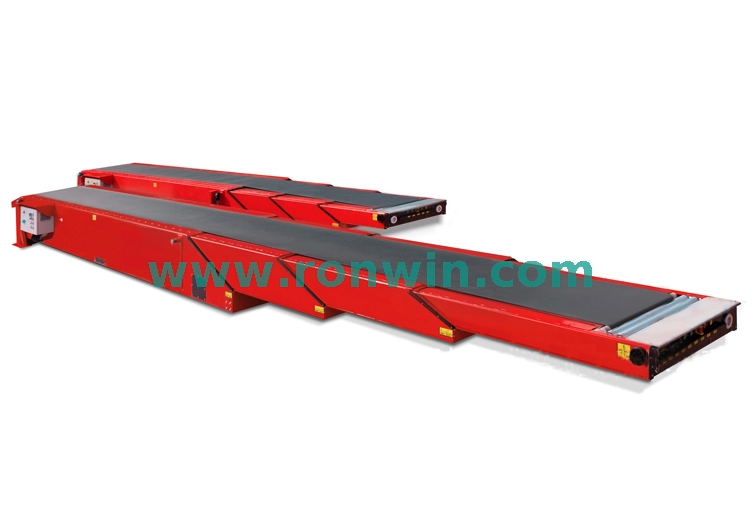
Telescopic conveyors streamline logistics operations, making shipping more predictable and transparent for customers.
Major benefits include:
Improved sorting efficiency: Up to 80% faster than manual systems
Adjustable length: Fits different vehicles and storage layouts
Faster truck loading/unloading: Speeds up last-mile preparation
Reduced manual labor and human error: Ensures order accuracy
| Feature | Operational Impact | Customer Impact |
|---|---|---|
| Adjustable length | Flexible operations | Reliable delivery times |
| High sorting efficiency | Faster warehouse flow | Orders arrive on schedule |
| Reduced manual handling | Lower error rates | Accurate shipments |
| Rapid loading/unloading | Supports high-volume orders | Clear tracking updates |
High-speed e-commerce relies on precise and timely order fulfillment. Telescopic conveyors support this by ensuring that goods move efficiently through the warehouse to the shipping dock.
Operational advantages for e-commerce:
Handles large volumes of orders quickly
Ensures timely dispatch to meet delivery expectations
Improves overall delivery accuracy and reliability, boosting customer trust
By integrating telescopic conveyors, warehouses can make shipping more transparent, predictable, and dependable for customers.
A flexible expandable conveyor is a versatile material handling system built for dynamic warehouse operations. Its steel structure allows expansion and contraction, making it easy to adjust length on the fly. They are designed to adapt to changing layouts, helping warehouses move goods efficiently in tight or complex spaces.
Expands or contracts according to operational needs
Can connect multiple conveyors for longer transport lines
Handles packages of different shapes and sizes, especially flat-bottom boxes
Flexible expandable conveyors bring agility and efficiency to modern logistics. They help warehouses handle higher order volumes while saving space and reducing manual labor.
Advantages include:
Adaptable to complex layouts: Moves around obstacles easily
Handles various box sizes: Ensures smooth flow for all products
Space-saving design: Expansion and contraction reduce floor space use
Easy mobility and deployment: Quickly repositioned for different tasks
| Feature | Warehouse Impact | Customer Impact |
|---|---|---|
| Flexible layout | Fits tight or irregular spaces | Faster, accurate order processing |
| Multi-size handling | Supports diverse shipments | Reliable deliveries |
| Expandable/contractible | Optimizes floor space | Improves shipping transparency |
| Quick repositioning | Reduces setup time | Orders shipped on schedule |
Flexible expandable conveyors are ideal for multiple warehouse areas, helping streamline the entire logistics chain.
Typical uses:
Warehousing operations for fast sorting and movement
Packing lines to improve efficiency and reduce errors
Loading and unloading zones for trucks or containers
They offer the flexibility warehouses need to support high-speed e-commerce, helping ensure goods move quickly and accurately from storage to shipment.
Conveyor systems play a huge role in keeping e-commerce shipping transparent. They move orders quickly, reduce errors, and provide accurate data for customers and teams.
By automating the movement of packages, conveyors cut down handling time significantly. Orders leave the warehouse faster, and throughput increases, letting stores keep up with high-volume demand.
Conveyors minimize sorting errors by ensuring each package goes to the right destination. This improves tracking data accuracy, so customers can see exactly where their orders are at any moment.
Modern conveyor systems work seamlessly with automated sorting systems. They synchronize data with tracking platforms, giving real-time updates that boost transparency and customer confidence. Efficient conveyors make the warehouse a hub of reliable, visible shipping operations, helping businesses deliver on promises and meet customer expectations.
Shipping transparency is no longer optional—it’s a must for online retailers who want loyal, happy customers. By improving warehouse efficiency and integrating smart conveyor systems, businesses can ensure orders move quickly, accurately, and visibly from storage to doorstep.
At Longwei Automation, we provide telescopic and flexible expandable conveyors designed to optimize high-volume e-commerce operations. When warehouses run smoothly, every order becomes predictable, tracking updates become reliable, and customers feel confident every step of the way. It’s time to turn transparency into a competitive advantage.
Shipping transparency means providing clear and honest information about shipping costs, delivery timelines, tracking updates, and return policies so customers know exactly what to expect.
It builds trust, reduces shopping cart abandonment, improves customer satisfaction, and encourages repeat purchases by keeping buyers informed throughout the shipping process.
Efficient warehouse operations speed up order processing, reduce errors, and ensure accurate tracking, which directly supports real-time transparency for customers.
They speed up loading and unloading, reduce manual errors, and improve sorting efficiency, allowing orders to leave the warehouse faster and providing accurate tracking information.
Flexible expandable conveyors adapt to complex warehouse layouts, save space, handle multiple box sizes, and allow fast deployment, supporting efficient operations that enhance transparency.


