
Views: 0 Author: Site Editor Publish Time: 2026-03-19 Origin: Site
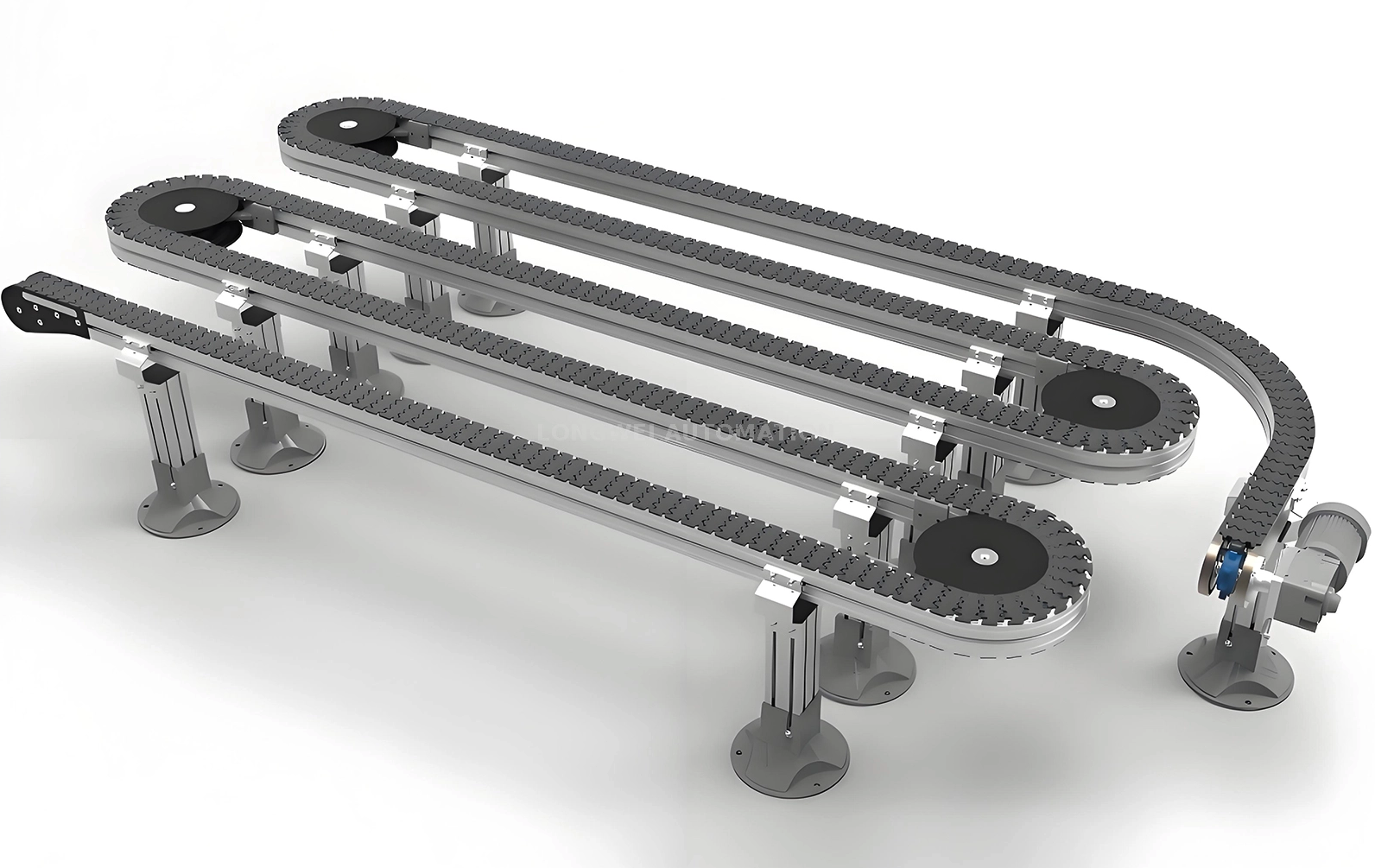
Cyber Monday for Manufacturers: How to choose conveyor for Peak Production Demands is the ultimate guide for keeping operations smooth during high-volume sales. Manufacturers face intense pressure from surging orders, tight shipping deadlines, and workflow bottlenecks. Choosing the right conveyor system—whether telescopic, modular, or smart automated—can make all the difference. In this article, we’ll explore how to assess production needs, optimize layouts, and scale efficiently, helping your team meet Cyber Monday demand while reducing errors, downtime, and labor costs.
Peak production season is the time when factories and warehouses operate at maximum capacity. It varies depending on the industry. For example, some companies ramp up during the holiday season, while others see spikes during back-to-school periods, product launches, or major sales events. Manufacturers usually plan months ahead for these busy periods. They often adjust inventory, optimize floor layouts, and schedule staff to handle surges in demand.
Examples of peak production periods:
| Industry | Peak Season Example |
|---|---|
| Retail & E-commerce | Black Friday, Cyber Monday, Christmas |
| Education Supplies | Back-to-school season (July-August) |
| Consumer Electronics | Product launches, Prime Day |
| Food & Beverage | Summer holidays, Thanksgiving |
Cyber Monday is more than just a big shopping day. It creates intense pressure on manufacturers and fulfillment centers.
Order volumes spike dramatically, sometimes doubling or tripling normal levels.
Shipping deadlines tighten, and every delay can affect customer satisfaction.
Even small inefficiencies can create bottlenecks, slowing down the entire workflow.
They have to move products faster, track shipments carefully, and ensure that nothing stalls production. Mistakes or equipment failures during this period can be costly.
Peak season is stressful for many reasons. Manufacturers must juggle multiple challenges at the same time.
Major challenges include:
Increased order volumes and complexity: Handling more orders, more SKUs, and faster timelines.
Limited floor space for materials handling: More products crowding the warehouse can slow down operations.
Risk of downtime or equipment failure: Machines and conveyors are under constant strain. Any malfunction can delay orders.
Workforce management and temporary staffing: Hiring seasonal workers helps, but onboarding quickly and training efficiently is essential.
Quick Tip: Using automated conveyor systems can help ease pressure. They reduce bottlenecks and keep products moving through the warehouse faster.
Conveyors play a critical role in keeping production moving smoothly. They streamline workflow from assembly lines to packaging areas, allowing products to travel efficiently across the facility.
They reduce the need for manual lifting, lowering the risk of injury.
They help prevent errors caused by misplaced items or human fatigue.
They minimize delays during high-volume periods, keeping shipments on schedule.
By automating repetitive tasks, conveyors let workers focus on more valuable operations, which is especially important during Cyber Monday and other peak seasons.
Choosing the right conveyor type can make or break your peak season performance.
Common conveyor systems include:
| Conveyor Type | Key Advantages | Best Use Case |
|---|---|---|
| Telescopic | Flexible loading/unloading | Shipping and sorting areas |
| Modular | Easy reconfiguration | Changing warehouse layouts quickly |
| High-capacity / Heavy-duty | Handle large volumes | Bulk production lines |
| Automated (WMS-integrated) | Real-time tracking, error reduction | Order fulfillment, complex logistics |
Each type has strengths. Telescopic conveyors reduce manual labor for shipping. Modular systems let you adapt fast. Heavy-duty conveyors handle more items without slowing down. Automated systems optimize tracking and overall workflow.
Conveyors help manufacturers keep up during high-demand days.
Key benefits include:
Faster throughput, letting more orders move through production quickly.
Reliable performance even when volumes spike.
Better space utilization and organized workflows.
Lower labor costs due to reduced manual handling.
Fewer errors, which improves customer satisfaction.
When properly planned and integrated, conveyors make it easier to manage unpredictable surges in orders, keeping operations smooth and efficient throughout peak season.
Before choosing a conveyor, it’s important to know how much your facility handles. Calculate average daily orders and expected peak volumes. They help you predict workflow stress points.
Identify bottlenecks slowing production or shipping.
Map product flow from start to finish.
Track areas where delays often occur during high-demand periods.
Knowing this data early helps you select a conveyor system that meets real needs, not just theoretical ones.
Conveyor speed and throughput are critical to keeping your production on schedule. It’s important to determine the speed required to meet tight shipping deadlines and ensure orders move through each stage efficiently. You also need to match conveyor capacity with your production goals, taking into account fluctuations in demand during peak periods.
Multiple lines or stations can affect overall flow, so it’s essential to understand how your system performs under full load. Even if your workforce is ready, a conveyor that’s too slow or underpowered can create significant delays and disrupt the entire operation.
Your conveyor system should be able to adapt as product types or order volumes change. Modular systems allow you to reconfigure layouts quickly, adding new sections or rerouting products without halting production. This flexibility also makes it easier to expand capacity during peak periods, ensuring your workflow keeps up with sudden surges in orders.
Additionally, you can reuse or repurpose conveyor sections for different workflows, which saves both time and costs. Having a scalable system ensures you won’t outgrow your equipment when busy seasons hit.
Floor space in warehouses is often limited, especially during high-demand events like Cyber Monday. Proper conveyor placement helps maximize the available area while reducing congestion in high-traffic zones. Designing smooth paths between receiving, processing, and shipping areas allows products to move efficiently without bottlenecks. A carefully planned layout not only keeps operations organized but also prevents jams, ensuring that both workers and automated systems can maintain productivity during peak periods.
Automation plays a key role in reducing human error and boosting overall throughput. By using warehouse management systems (WMS) and smart tracking tools, you can monitor operations in real time and quickly identify any bottlenecks. Repetitive tasks such as sorting, labeling, or picking can be automated, freeing up your team to focus on more complex activities.
Integrating conveyors with existing production or inventory systems ensures that all processes work together smoothly, making your operation faster, more accurate, and easier to manage during peak periods like Cyber Monday.
Even the most reliable conveyor systems require regular care to stay operational. Setting up preventive maintenance schedules helps catch potential problems before they disrupt production. It’s also important to keep critical components such as belts, rollers, and motors in stock, so replacements are available immediately if needed.
Training staff to recognize early signs of wear, misalignment, or other issues can prevent small problems from becoming major downtime events. Effective maintenance and proactive monitoring are essential to keeping operations running smoothly during high-demand periods.
Safety protects employees and avoids costly incidents.
Ensure conveyors minimize manual lifting or repetitive strain.
Follow OSHA and industry safety standards.
Include ergonomic design considerations for easier handling.
A safe conveyor system keeps workers productive and operations uninterrupted.
| Consideration | Key Actions | Benefits |
|---|---|---|
| Production Volume | Measure avg & peak orders | Prevent bottlenecks |
| Speed & Throughput | Align capacity with goals | Meet deadlines |
| Flexibility | Modular/reconfigurable | Adapt to changing demand |
| Space Layout | Plan optimal routes | Reduce congestion |
| Automation | WMS & smart systems | Improve accuracy |
| Maintenance | Schedule & stock spares | Minimize downtime |
| Safety | Ergonomics & compliance | Protect workers |
Telescopic conveyors are ideal for shipping and order fulfillment centers, especially during high-volume periods like Cyber Monday. They allow products to move quickly from trucks to sorting lines, reducing manual handling and speeding up loading and unloading. Their adjustable length makes it easy to reach different truck sizes or dock positions, improving overall workflow efficiency. By cutting loading times, they help warehouses keep up with surges in order volumes without creating bottlenecks.
Smart conveyor systems bring automation and real-time tracking into your operation. They monitor package movement continuously, alerting staff if items are misplaced or delayed. Integrating automation reduces human error during repetitive tasks like sorting, labeling, or scanning, allowing your team to focus on more complex operations. These systems also provide detailed analytics, helping managers optimize throughput and adjust workflows quickly during peak production periods.
Modular conveyors offer flexibility that traditional systems cannot. You can adapt layouts easily as product lines or order profiles change, reconfiguring pathways without halting production. They are also scalable, allowing you to add capacity quickly during peak demand. By designing a modular system, manufacturers can efficiently expand operations, handle increased volumes, and make the most of available floor space. This adaptability ensures your facility stays productive even when requirements shift unexpectedly.
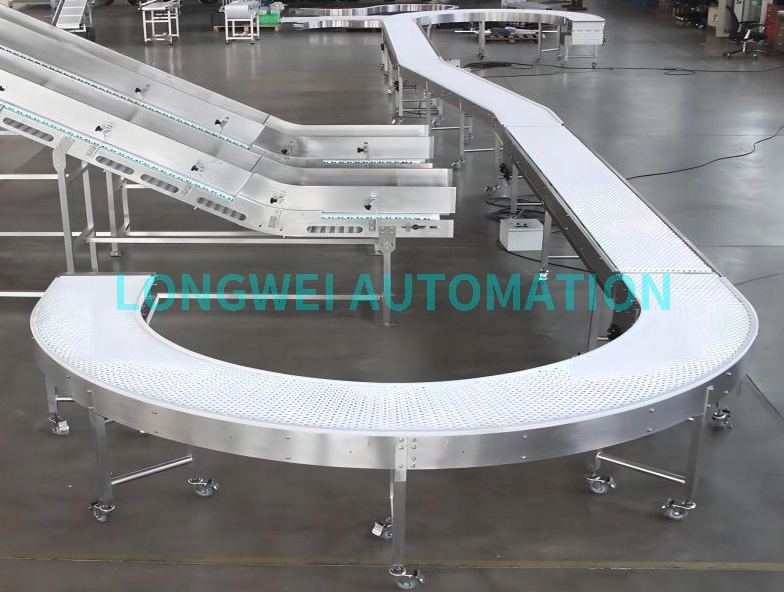
Peak production on Cyber Monday can be intense, but the right conveyor makes it manageable. Modular, telescopic, and automated systems keep orders moving, reduce manual work, and maintain consistent throughput.
Longwei Automation provides advanced conveyor solutions designed for busy warehouses and manufacturing floors. Their systems help optimize space, adapt to changing demand, and keep operations running efficiently, ensuring you meet Cyber Monday deadlines with confidence.
Cyber Monday generates a surge in order volumes and tight shipping deadlines, which can create bottlenecks, increase the risk of errors, and strain equipment if systems aren’t optimized.
Conveyors streamline workflow, reduce manual handling, minimize errors, and maintain consistent throughput, allowing manufacturers to meet high demand efficiently.
Telescopic conveyors speed up loading and unloading, modular conveyors allow layout flexibility, high-capacity conveyors handle larger volumes, and automated systems integrated with WMS improve tracking and reduce errors.
You should calculate your average and peak order volumes, analyze workflow bottlenecks, and choose a conveyor system that matches your production capacity to prevent delays.
Flexible and modular conveyors let you reconfigure layouts or expand capacity quickly, ensuring your operation can adapt to changing product lines or unexpected order surges.


