|
FC
RONWIN
A non‑powered skate‑wheel flexible expandable conveyor is a material handling device that uses skate wheels as the conveying medium. It relies on the gravity of the load or manual pushing to move goods. The frame features a flexible expandable scissor structure that can be extended or retracted. The unit can be freely steered to form straight sections or curved arcs as needed. The support legs are height‑adjustable, and the base is equipped with swivel castors with brakes for easy mobility.
The skate wheel is the core component of this conveyor. It typically consists of a wheel body, bearings, and a shaft bore. The wheel body can be made of plastic or steel, and the bearings are often deep‑groove ball bearings that reduce friction and ensure smooth rotation. Skate wheels are compact, lightweight, and particularly suitable for conveying items with flat bottoms.
The greatest advantage of this conveyor is its extendable/retractable function. The unit expansion ratio can reach 1:3 – for example, a 3‑meter extended length can be retracted to about 1 meter. When folded, it occupies minimal floor space, greatly saving storage and transport space.
Using skate‑wheel sliding transmission, it does not need an electric drive. Goods are moved by their own weight or manual pushing. It is especially suitable for environments without electricity or where energy conservation is desired.
The unit can be bent to change direction and angle, adapting to various site conditions and terrains. It can be arranged arbitrarily according to conveying requirements, and multiple units can be connected in series to extend the conveying distance indefinitely.
Equipped with swivel castors with brakes at the bottom, the conveyor can be easily moved around warehouses, workshops, and other workplaces. The leg height is adjustable to suit different working heights.
Compared with roller‑type telescopic conveyors, the skate‑wheel version is lighter. It features a simple, lightweight structure, lower cost, long service life, and resistance to damage.
The skate wheels are fitted with precision bearings, ensuring smooth rotation and low noise. With a suitable slope, goods can slide down by gravity without any external force.
The common technical specifications of the non‑powered skate‑wheel flexible expandable conveyor are listed below:
Parameter | Specification Range |
|---|---|
Skate wheel diameter | 38 mm, 48 mm |
Conveying width | 450 mm, 500 mm, 600 mm |
Unit length (retracted / extended) | 350–450 mm / 1000–1250 mm (extension ratio approx. 1:3) |
Height adjustment range | 460–630 mm, 550–820 mm, 650–1020 mm, 750–1150 mm, etc. |
Load capacity per unit | 50–70 kg/unit |
Unit self‑weight (for 500 mm width) | Approx. 35 kg |
Skate wheel material | Galvanised steel skate wheel, plastic skate wheel |
Drive mode | Non‑powered (manual/gravity) |
※ Note on 48 mm diameter: The common skate wheel outer diameters available are 38 mm and 48 mm. The 48 mm size is the most mainstream specification for telescopic conveyors.
The conveyor is typically equipped with 48 mm diameter skate wheels. The key difference lies not only in the wheel material but also in the internal bearing structure, which directly determines performance.
Internal structure: Built‑in steel balls (usually plain bearings or simple ball‑race structures, not precision‑grade).
Performance characteristics:
Starting torque: Higher – due to relatively higher internal friction, a slightly greater initial force is needed to move the load.
Load capacity: Moderate – limited by the bearing structure, its rated dynamic load is relatively restricted.
Durability: Excellent – the metal material resists impact and wear, is unaffected by UV rays or temperature changes, does not age easily, and has a very long service life even in harsh conditions.
Corrosion resistance: The galvanised surface provides good rust protection.
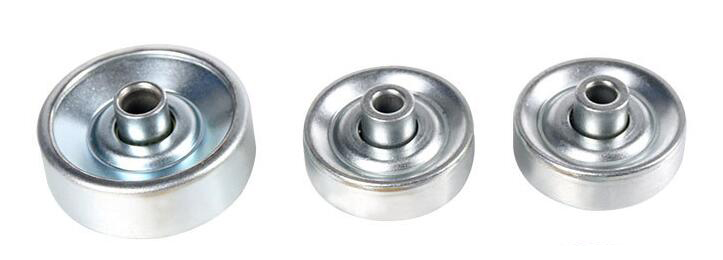
(figure 1: galvanized steel skate wheel, diameter 38mm and 48mm are optional)
Internal structure: Equipped with precision national‑standard deep‑groove ball bearings (e.g., 608 series high‑precision bearings).
Performance characteristics:
Starting torque: Lower – the precision bearings offer extremely low rolling resistance, making goods start and run very smoothly with light pushing effort.
Load capacity: Higher – the radial and axial load capacities of precision bearings are far superior to simple steel‑ball structures, allowing the plastic wheel to bear heavier loads.
Durability: Moderate – the wheel body is made of engineering plastics (ABS/nylon). Although tough, long‑term exposure to UV light, high temperatures, or chemical corrosion can cause ageing and brittleness, reducing service life.
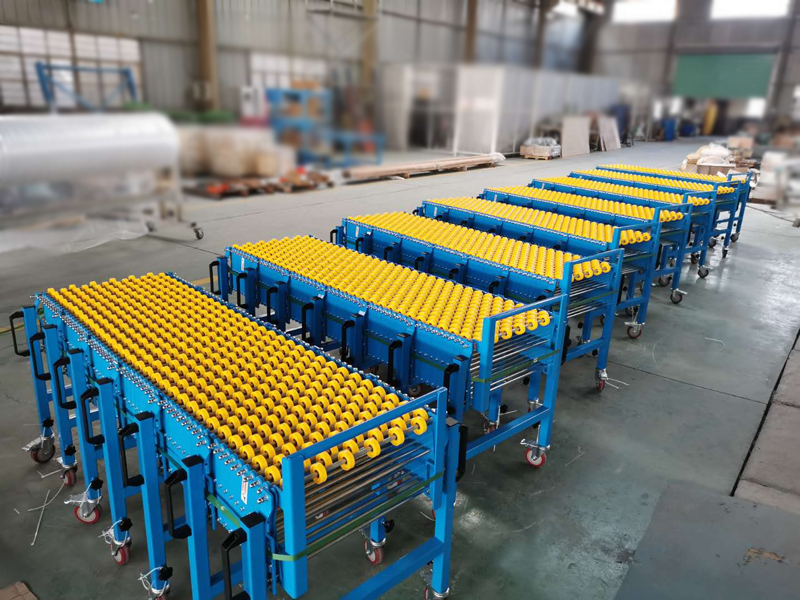
(figure 2: yellow/blue/gray plastic skatewheels are optional)
Comparison Aspect | Galvanised Steel Skate Wheel | Plastic Skate Wheel |
|---|---|---|
Internal structure | Steel balls (simple bearing) | Precision national‑standard deep‑groove ball bearings |
Starting torque | Higher (more resistance) | Lower (extremely smooth and light) |
Load capacity | Moderate | Higher (superior bearing capacity) |
Running smoothness | Good | Excellent (very low friction coefficient) |
Wheel durability | Excellent (metal resists impact, no ageing) | Moderate (plastic tends to age and become brittle over time) |
Protection of goods' bottom | Moderate (metal surface) | Excellent (plastic surface is soft, won't scratch cartons/packaging) |
Unit self‑weight | Heavier | Lighter (about 1/3 of steel type) |
Corrosion/weather resistance | Galvanised for rust protection, good weather resistance | Corrosion‑resistant but vulnerable to UV and extreme temperatures |
Based on actual working conditions and priorities, follow these guidelines for precise selection:
For maximum smoothness, frequent start‑stop operation, and heavy loads → Choose the plastic skate wheel (with precision deep‑groove ball bearings). Although the plastic wheel itself may age, its bearing performance offers low torque and high load capacity, making it the most efficient choice for indoor warehouses, workshops, and similar environments.
For harsh environments (outdoor, sunlight, extreme temperatures), high impact loads, and ultra‑long maintenance‑free life → Choose the galvanised steel skate wheel. Although its starting resistance is slightly higher, the metal wheel never ages, is robust and impact‑resistant, and is especially suitable for loading/unloading areas with frequent handling and collisions.
For equipment that is frequently moved and operators prefer lighter pushing/pulling → Prefer the plastic skate‑wheel model, as the unit is lighter and goods move more smoothly.
To specify the required configuration, the conveyor model number follows the structure shown in the example below:
Example Model No.: FC‑48‑500×4
Part | Meaning |
|---|---|
FC | Series designation (FC‑series skate wheel flexible expandable conveyor) |
48 | Skate wheel diameter = 48 mm |
500 | Conveying surface width = 500 mm |
×4 | Number of units = 4 units (the conveyor is assembled by connecting individual units end‑to‑end to achieve the desired total length) |
Note: The total extended length is calculated by multiplying the number of units by the extended length per unit (e.g., 4 units × ~1250 mm = ~5000 mm extended length). The retracted length is similarly based on the unit retracted length. Always confirm the unit length specifications with the manufacturer.
Our flexible expandable conveyor is popular by some main express companies globally like JD, SF, CAI NIAO and DHL.