
 |
| Quantity: | |
|---|---|
8428391000
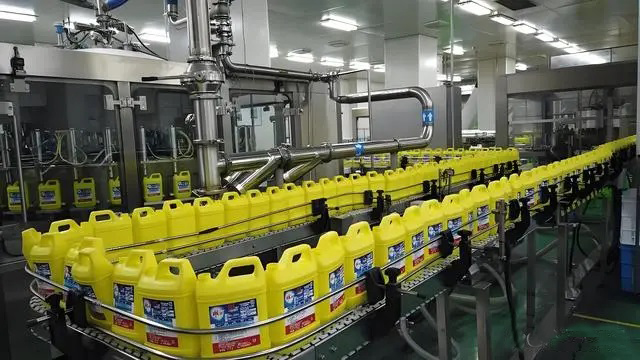
A Customized Flexible Modular Conveyor System is a material handling solution constructed from interlocking, standardized modules that can be configured in almost limitless layouts to meet specific operational needs. Unlike traditional, fixed conveyors, these systems are inherently reconfigurable, scalable, and adaptable. The "customized" aspect means the system is engineered from these flexible components to solve a unique problem, while the "modular" nature allows for that solution to evolve over time.
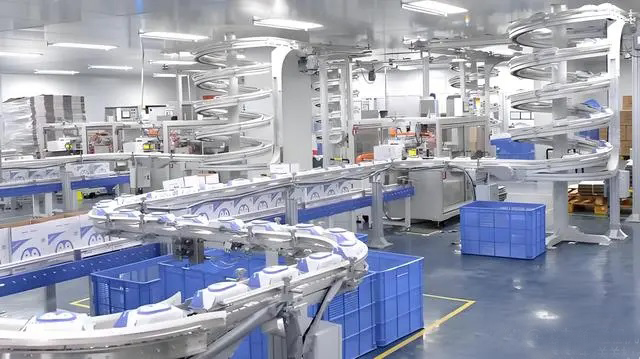
The advantages stem from the core principles of modularity and customizability.
Layout Agility: The system can be easily rearranged into straight lines, curves, merges, diverges, and spirals without requiring custom-fabricated pieces for every change. This is its defining feature.
Easy Modification: As production needs, product lines, or facility layouts change, the conveyor can be disassembled and reconfigured by in-house maintenance staff without the need for welding, cutting, or major construction. This drastically reduces downtime and costs associated with line changes.
Quick Installation: Pre-engineered modules bolt together quickly, getting a line operational in days or weeks instead of the months required for designing and building a custom welded system.
Easy Expansion: The system can be easily extended or reduced in length. Additional modules, like new spurs or merges, can be integrated seamlessly as throughput needs grow.
Lower Initial Cost: While the per-foot cost might be higher than a simple gravity roller, the avoidance of custom engineering and fabrication fees often makes it more economical for complex layouts.
Reduced Reconfiguration Costs: The ability to reuse modules for new layouts eliminates the capital expense of buying entirely new conveyor systems for every process change.
Easier Maintenance: Individual modules or components (like motors or belts) can be swapped out quickly, minimizing downtime. Spare parts inventory is simplified due to standardized components.
Space Efficiency: These systems can be designed to fit into irregular spaces, navigate around obstacles, and utilize vertical space with inclines and declines, maximizing floor space utilization.
Multi-Path Routing: Products can be dynamically routed to different destinations using pop-up transfers, diverters, and merges integrated within the modular framework. This is ideal for sorting and order fulfillment.
Wide Range of Products: By choosing the appropriate module type (belt, roller, chain), a single system can handle a diverse mix of products, from small lightweight items to heavy, bulky pallets.
Integration of Technology: Modular frames are designed to easily accommodate add-ons like barcode scanners, vision systems, weighing scales, and packaging equipment.
Standardized & Proven Components: Using mass-produced, standardized modules means the components are well-tested and reliable.
Isolated Faults: If one module fails, it can be isolated and replaced without shutting down the entire line.

The flexibility of these systems makes them suitable for virtually any industry that requires material movement, but they are particularly dominant in a few key areas.
Application: This is the classic application. Systems are used in distribution centers for:
Sortation: Configuring complex networks of conveyors to sort packages by ZIP code, carrier, or order priority.
Order Consolidation: Merging lines from different picking zones to a single packing and shipping station.
Returns Processing: Creating flexible lines that can be easily reconfigured to handle the variable and unpredictable flow of returned items.
Application: Used on assembly lines where the product design or assembly process changes frequently.
Kitting Lines: Configuring workstations in a U-shape or serpentine layout to optimize operator movement.
Automotive and Electronics: Moving sub-assemblies between work cells. The line can be modified for a new model changeover with minimal disruption.
Application: While hygiene is key, the flexibility is crucial for:
Multi-Product Lines: A single line can be reconfigured to run different product sizes or types on different days (e.g., from bottled water to juice cartons).
Inspections and Packaging: Creating layouts that route products through metal detectors, check-weighers, and various packaging machines.
Application: Airports are dynamic environments with changing gate assignments and airline needs. Modular systems allow for:
Reconfigurable Routing: Bags can be routed to different baggage carousels or screening areas as needed.
System Expansion: Easily adding new check-in counters or extending lines to new gates during airport expansions.
Application: The need for clean, validated, and adaptable systems is high. Modular conveyors allow for:
Cleanroom Compliance: Systems can be built with compatible materials and easy-to-clean surfaces.
Process Changes: Adapting lines for new drug formats or medical devices without a complete system overhaul.
Application: Ideal for trade shows, pop-up distribution centers (e.g., during the holidays), or testing a new process before committing to a permanent, fixed system. The conveyor can be rented, installed quickly, and then disassembled.
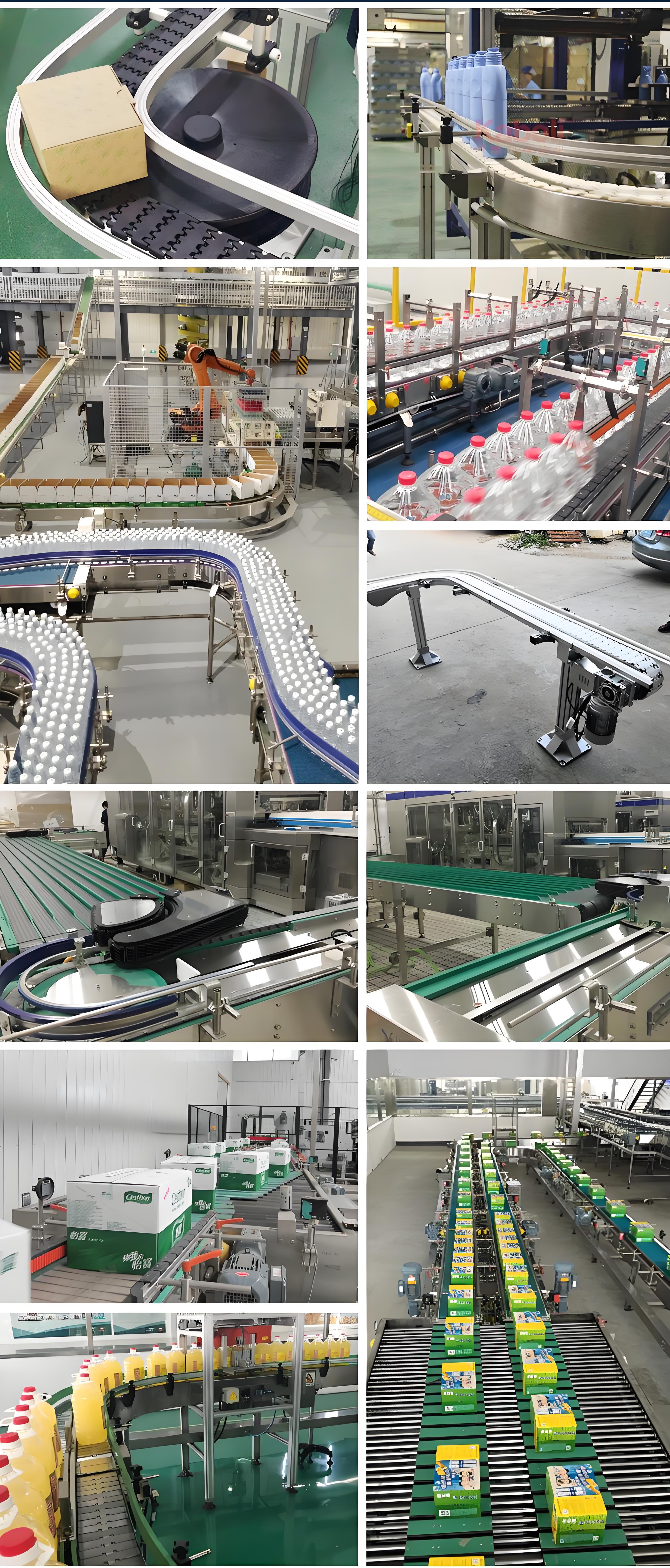
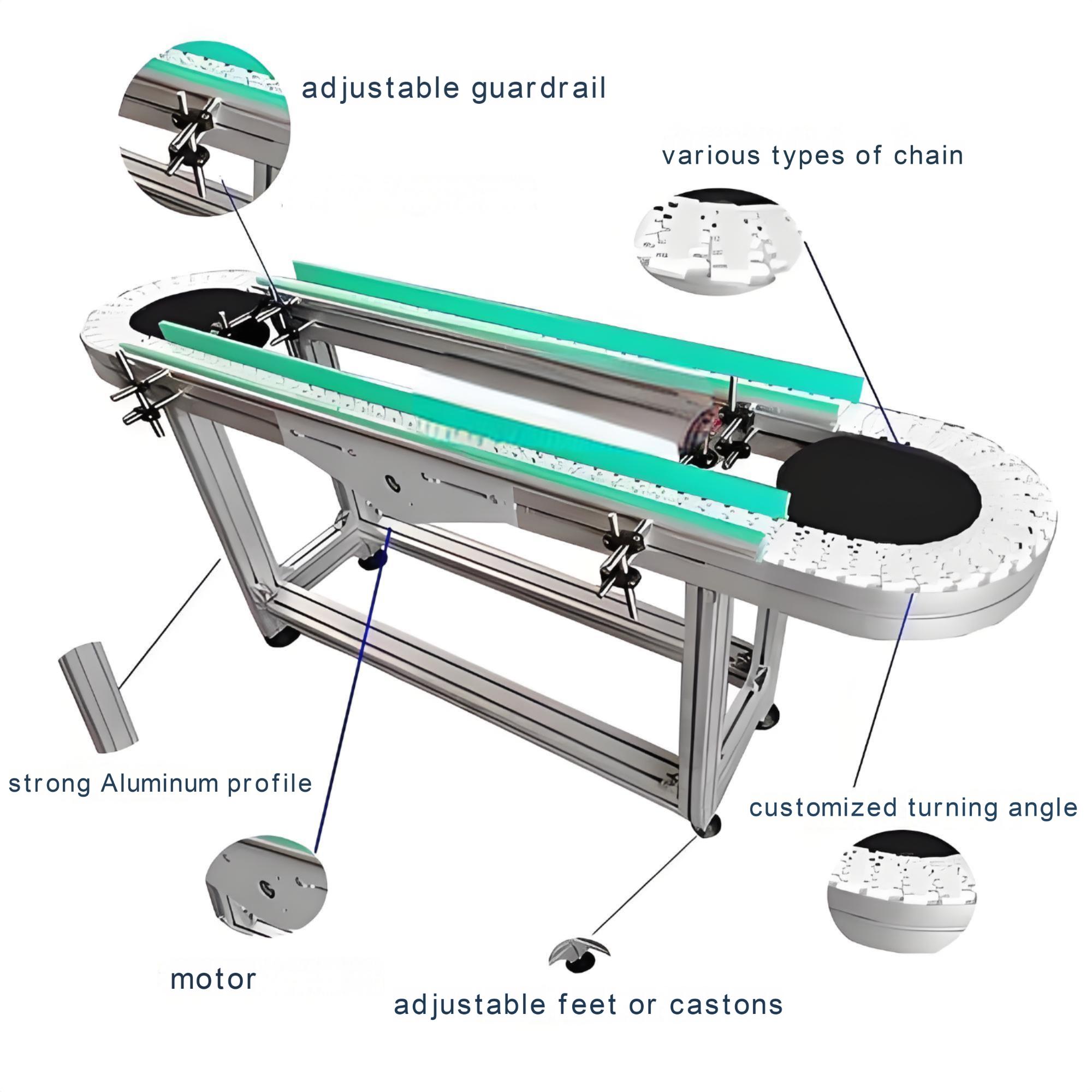
Straight, curved, climbing, looping, clamping, lane, spiral. Various shapes and specifications meet the needs of different scenarios.

Chain plates are available in various materials and specifications, including flat chain, steel top chain, ball chain, crescent chain, anti-skid chain, and bottle clamp chain.
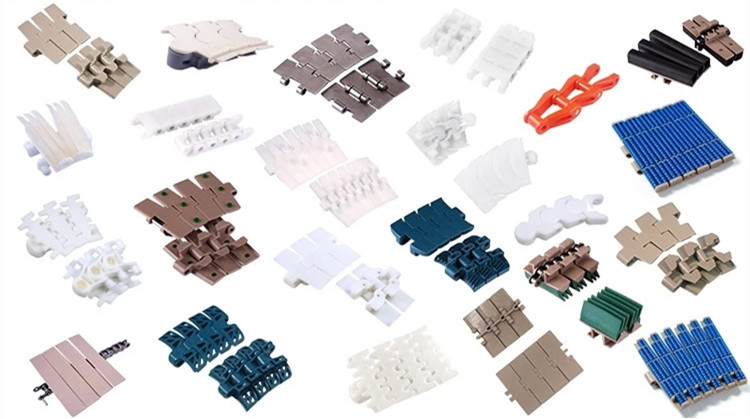
The flexible modular chain conveyor is a three-dimensional conveying system featuring an aluminum alloy frame and a plastic steel conveyor chain. Its lightweight, modular design allows for fast installation and stable, quiet operation without pollution. Ideal for production lines with high hygiene standards and limited space, this conveyor can handle small turning radius and steep inclines.
A Customized Flexible Modular Conveyor System is not just a piece of equipment; it is a strategic asset for operational agility. Its primary advantage is that it transforms material handling from a fixed cost center into an adaptable, future-proofed capability. For businesses facing market volatility, rapid growth, or frequent product changes, it provides the resilience to adapt quickly without major capital reinvestment, making it the modern solution for modern manufacturing and logistics challenges.


